Trump Signs Executive Order Tightening Non-Citizens’ Access to U.S. Financial System
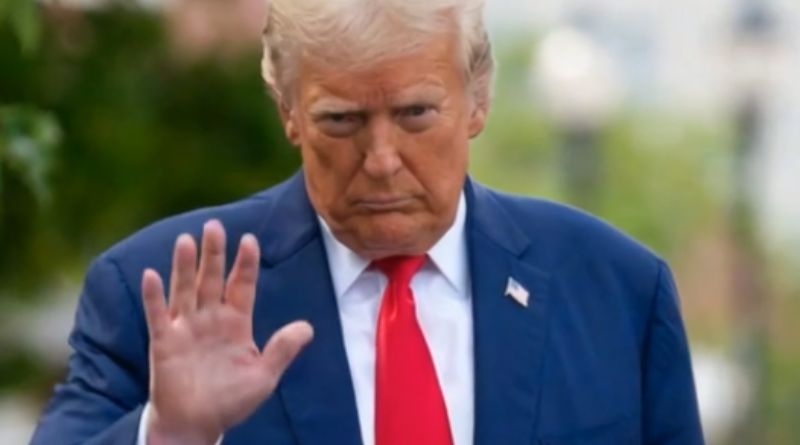
President Donald Trump signed an executive order on Tuesday titled “Restoring Integrity to America’s Financial System,” directing financial institutions to factor customers’ immigration status into risk assessments as part of broader immigration enforcement efforts.
The order, issued under the framework of the 1970 Bank Secrecy Act, instructs the Treasury Secretary and federal regulators to provide banks and credit unions with updated guidance on identifying suspicious activity. This includes risks related to money laundering, terrorism financing, and labor trafficking. It specifically highlights potential threats posed by foreign consular identification cards and calls for closer scrutiny of certain customer profiles and transaction patterns.
Key “red flags” outlined in the order include repetitive large cash withdrawals, the use of shell companies to obscure ownership, off-the-books wage payments, and the presentation of an Individual Taxpayer Identification Number (ITIN) instead of a Social Security number for account opening or significant transactions. ITINs are available to all taxpayers regardless of immigration status and are primarily used for filing taxes.
The White House framed the measure as necessary to close vulnerabilities in the financial system. A fact sheet accompanying the order stated that gaps in customer identification have allowed terrorists, drug traffickers, money launderers, and criminal networks — including Chinese-linked operations — to exploit U.S. banks. It also argued that lending to undocumented immigrants and underreporting wages for undocumented workers imposes hidden costs on American consumers through higher fees and interest rates.
“President Trump is taking action to restore integrity to America’s financial system, cracking down on illicit activity that threatens national security and ending the extension of credit to high-risk borrowers that American citizens are forced to subsidize,” the fact sheet said. “Restoring sound underwriting standards puts money back in the pockets of law-abiding Americans.”
The policy builds on existing challenges for non-citizens in the financial system. Banks have historically been reluctant to lend to ITIN holders, and government-backed entities like Fannie Mae and Freddie Mac generally do not insure such mortgages. A study by the Urban Institute estimated that lenders issue roughly 5,000 to 6,000 ITIN-based mortgages annually.
Critics warn the order could make it significantly harder for non-citizens — particularly undocumented immigrants — to access basic banking services, exacerbating financial exclusion. The administration has simultaneously pursued stricter immigration policies, including mass enforcement operations, restrictions on public benefits, and reclassifying certain refundable tax credits as federal public benefits, which would further limit eligibility for some non-citizens.
The move comes amid the White House’s broader deregulatory agenda and strong support for cryptocurrency, with Trump pledging to position the United States as the “crypto capital of the planet.” It also contrasts with Trump’s past accusations of political discrimination by major banks, including a $5 billion lawsuit against JPMorgan Chase related to account closures following the January 6, 2021, Capitol events.
Implementation will involve new guidance within roughly 60 days and potential regulatory updates to allow easier collection of immigration and work authorization data where risk-based factors apply. The long-term effects on legal immigrants, mixed-status families, and the banking sector will depend on how regulators and institutions interpret the directives.