US-Iran Reach Fragile Truce on Strait of Hormuz Amid High-Stakes Tensions
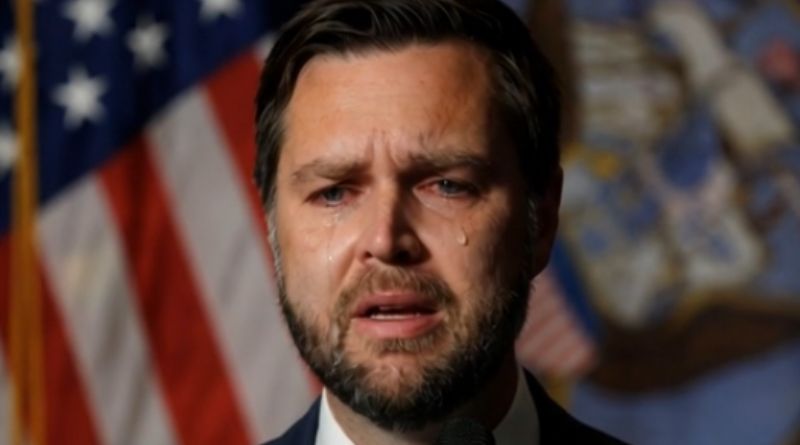
The United States and Iran have achieved a tense diplomatic breakthrough, announcing a “fragile truce” just as a critical deadline expired on Tuesday evening. Vice President JD Vance, who played a central role in the negotiations, maintained a firm stance throughout the talks. He expressed confidence that the administration had successfully pressed Tehran to address the ongoing maritime blockade in the Strait of Hormuz.
Vance repeatedly stressed the importance of global energy stability, describing Iran’s interference in the vital waterway as “economic terrorism.” He warned that President Donald Trump is prepared to deploy a powerful “toolkit” of both military and economic measures should the Iranian regime fail to make permanent changes to its behavior.
The agreement comes after months of dangerous escalation that began with U.S.-Israeli military strikes in February 2026. Those operations targeted Iranian military and nuclear sites, prompting Iran to restrict access through the Strait of Hormuz. The narrow passage, which historically carried nearly one-third of the world’s oil exports, saw traffic plummet by approximately 90 percent. The disruption sent shockwaves through global energy markets, causing sharp price spikes and widespread economic uncertainty.
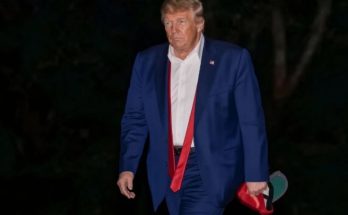
In the lead-up to the ceasefire, President Trump applied intense public pressure through social media ultimatums and direct statements. On Truth Social, he issued a 48-hour warning, threatening the “obliteration” of Iranian power plants and critical infrastructure if the strait remained closed. This rhetoric came shortly after a serious military incident on Friday, when Iranian forces downed two U.S. aircraft. Fortunately, all American crew members were rescued safely.
The resulting two-week ceasefire allows for a limited reopening of the Strait of Hormuz. However, the deal includes a controversial provision permitting Iran and Oman to collect fees from vessels transiting the waterway — a notable departure from its long-standing status as an international passage open to free navigation.
Despite this concession, Vance emphasized that the United States has largely met its immediate military objectives. He noted that Washington retains significant leverage for future talks through continued diplomatic and economic pressure. Global markets have reacted with cautious optimism, with oil prices showing some stabilization, yet analysts remain skeptical about the truce’s long-term durability.
Vance made clear that the agreement is narrowly focused and does not extend to a broader cessation of hostilities in Lebanon or with Iranian-backed Hezbollah. He dismissed Tehran’s expectations on this front as a “legitimate misunderstanding” and accused certain Iranian officials of “lying” about the pact’s details.
With a U.S. delegation now preparing to travel to Islamabad for the next round of discussions, the international community is watching closely. The central question is whether this brief pause can evolve into lasting regional de-escalation, or whether deep internal divisions within the Iranian government will once again undermine the fragile peace.