Washington, D.C. Under Federal Oversight: Safety Gains and Growing Anxieties
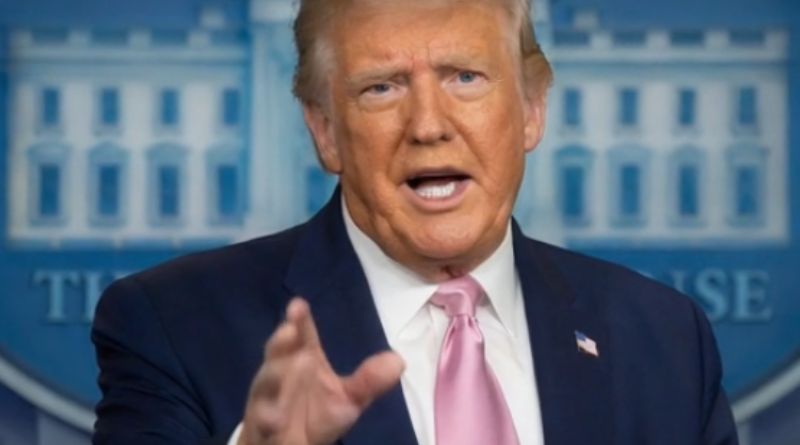
In August 2025, President Donald Trump invoked Section 740 of the D.C. Home Rule Act, declaring a crime emergency and placing the Metropolitan Police Department (MPD) under temporary federal control. He deployed approximately 800 National Guard troops alongside federal agents, including ICE, to address what the administration described as rampant violent crime, carjackings, robberies, and visible disorder in the nation’s capital.
The move came after years of frustration with local governance. While D.C. had seen crime decline from 2023 peaks—with violent crime already trending downward in 2024 and 2025—homicides and certain street crimes remained elevated compared to national averages. During the initial 30-day federal surge, officials reported noticeable improvements: homicides dropped sharply (around 50% in some periods), robberies and carjackings fell significantly, and overall violent crime decreased by roughly 10-17%. Visible federal presence, including joint task forces and cleared homeless encampments, contributed to a changed atmosphere on many streets.
Many long-time residents, particularly in higher-crime neighborhoods, described feeling safer for the first time in years. Evening walks without heightened vigilance, fewer viral videos of violence in group chats, and a sense that leadership was finally prioritizing basic public safety became common anecdotes. Supporters viewed the intervention as overdue accountability for a city funded largely by federal taxpayers and burdened by chronic issues like under-policing, prosecution gaps, and recidivism.
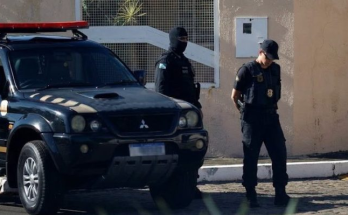
Yet the operation carried a dual edge. Increased ICE coordination—amid broader deportation priorities—sparked widespread anxiety in immigrant communities. Reports emerged of unmarked vehicles near schools, bus stops, and stores. Families in mixed-status households grew wary of door knocks and adapted daily routines, with some parents rehearsing responses or organizing group escorts for children. Local officers navigated blurred lines of authority, while critics warned of mission creep from crime control to immigration enforcement.
The 30-day takeover expired in September 2025, though threats of renewal surfaced over MPD’s reported reluctance to fully cooperate with ICE. Crime statistics continued improving citywide into 2026, aligning with national downward trends, but measuring the precise impact of federalization remains complex—broader post-pandemic factors also played roles.
This episode highlights D.C.’s unique vulnerability: lacking full statehood, the District operates under congressional oversight, allowing presidential tools unavailable elsewhere. Proponents argue it restored order where local control faltered. Detractors see it as a stress test for federal overreach, raising questions about trust, civil liberties, and whether visible security built partly on fear can foster lasting community confidence.
Washington, D.C., now stands as a case study in the trade-offs of aggressive “law and order” policy. Crime metrics improved for many, yet the human costs—heightened fear in certain communities and debates over democratic norms—linger. The long-term verdict will depend on whether sustained reductions in victimization outweigh the tensions introduced.