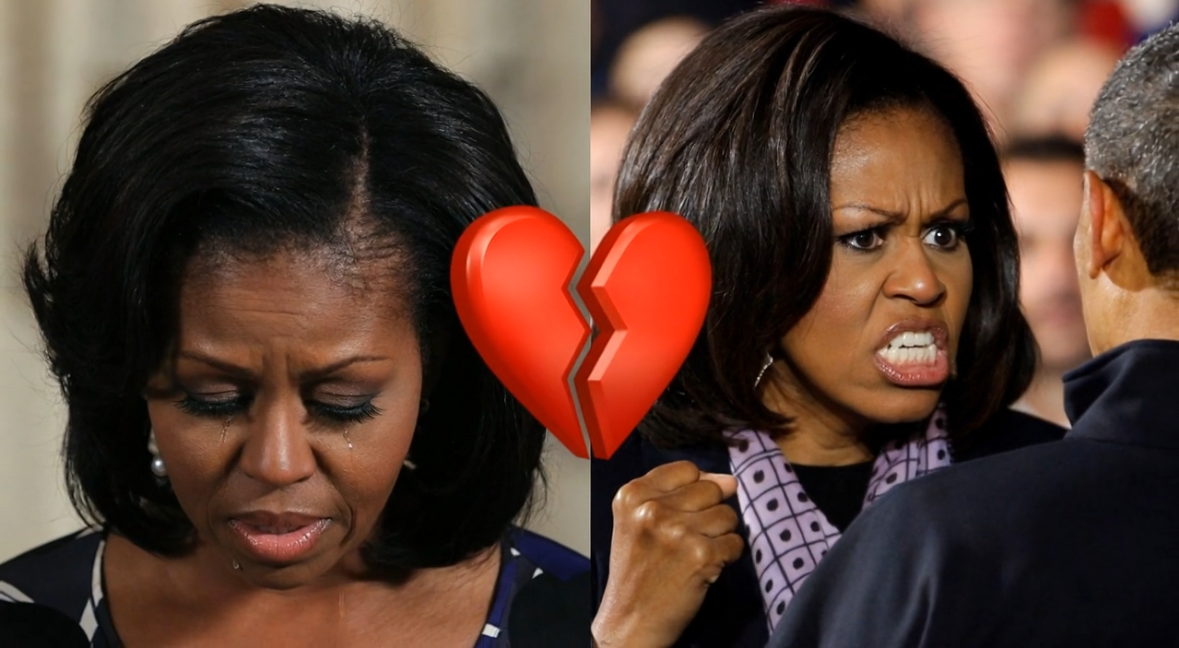
In a moment that instantly captured national attention, former First Lady Michelle Obama once again became the center of an emotional public conversation—not because of politics, but because of something deeply personal and widely relatable: marriage, balance, and the pressure of public life.
According to a recent profile of former President Barack Obama published by The New Yorker, Obama openly acknowledged that there has been “genuine tension” at home over how he spends his time after leaving office. Michelle, he explained, hopes he will slow down politically and embrace a quieter chapter focused more on family, companionship, and life beyond the nonstop demands of public service.
That single admission spread across the internet within hours.
Social media users dissected every quote. News outlets amplified the story with dramatic headlines. Some framed it as marital strain, while others saw something more human: two people navigating the same challenges many couples face after years of demanding careers and shared sacrifice.
For many Americans, Michelle Obama remains far more than a former First Lady. Through memoirs like Becoming, public speeches, and candid discussions about motherhood, stress, identity, and ambition, she has built a reputation for honesty and emotional intelligence. Her public image feels accessible in a way that few political figures achieve. Because of that, even indirect glimpses into her private world resonate powerfully.
The conversation also exposed how quickly modern media transforms nuance into spectacle. A thoughtful reflection about marriage and competing priorities rapidly evolved online into speculation about political disagreements, emotional distance, or deeper conflict. Yet the fuller context suggested something much more ordinary and recognizable: Michelle wanting more time with her husband after decades of public obligation, while Barack still feels pulled toward national events and political engagement.
That tension—between personal peace and public responsibility—is hardly unique to the Obamas. What makes their story compelling is the scale on which it unfolds. Every personal remark becomes national discourse. Every candid moment becomes symbolic.
The reaction also revealed something about the public itself. In an era marked by polarization, outrage cycles, and distrust, many people still look to the Obamas as symbols of stability, dignity, and authenticity. The intense response to this story reflected a broader cultural longing for honesty from public figures—not polished messaging, but real emotion and imperfection.
Ultimately, the moment was less about scandal than recognition. Beneath the headlines was a familiar reality: long-term partnerships evolve, priorities shift, and even iconic couples must negotiate the balance between ambition, duty, rest, and togetherness.
And perhaps that is why the story resonated so widely. It reminded people that behind the symbolism and celebrity are two individuals still navigating life, marriage, aging, and purpose under one of the brightest spotlights in the world.