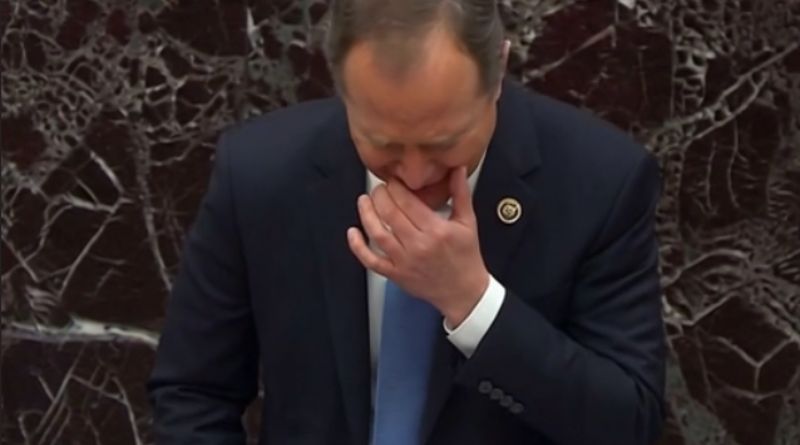
Adam Schiff’s Senate Role Sparks Divided Reactions Across the Political Spectrum
In California, Adam Schiff’s elevation to the U.S. Senate—first through appointment by Governor Gavin Newsom in December 2024 to complete an unexpired term, followed by his election—continues to generate strong reactions that reflect the nation’s deep political polarization. While the initial swearing-in occurred over a year ago, ongoing debates about his influence highlight how his prominence shapes conversations in Washington. Supporters hail his experience as a valuable asset for addressing major national challenges, while critics worry it intensifies partisan conflict.
For many Democrats, Schiff represents a steadfast advocate for institutional integrity, robust congressional oversight, and checks on executive power. Having served nearly two decades in the House, including as chair of the Intelligence Committee, he played prominent roles in high-profile investigations and the impeachments of former President Donald Trump. Allies argue that his Senate position strengthens California’s voice in federal policy on issues ranging from national security and agriculture to housing and ethics reform. They see his approach as essential for defending democratic norms amid razor-thin congressional margins and heightened distrust in government.
Republicans and conservative observers offer a sharply different assessment. They contend that Schiff’s record embodies the kind of confrontational politics that exacerbates division rather than fosters compromise. Critics frequently point to his involvement in the Russia investigations and impeachment proceedings, viewing them as examples of partisan overreach. In their view, his continued visibility risks turning routine legislative and oversight functions into prolonged political battles, drawing intense media scrutiny to nearly every action. Some have called for renewed examination of past inquiries involving Schiff.
This divide underscores broader challenges in American politics. To supporters, Schiff symbolizes accountability and resilience against perceived threats to democratic institutions. To detractors, he exemplifies a style of politics that prioritizes confrontation and media cycles over bipartisan problem-solving. These contrasting perspectives are likely to influence upcoming debates on Capitol Hill involving national security, election integrity, executive authority, and budget priorities.
The timing amplifies the significance. With a closely divided Congress, ongoing foreign policy tensions (including recent Iran-related matters), and public fatigue over nonstop political drama, any move by a figure as recognizable as Schiff attracts immediate attention. His committee assignments and public statements position him to impact key discussions, from farm policy benefiting California agriculture to oversight of federal appointments.
Ultimately, whether regarded as a principled defender of oversight or a polarizing force, Senator Adam Schiff occupies a central place in the national political landscape. His tenure will test whether high-profile lawmakers can bridge divides or if entrenched polarization will continue to define Washington’s operations for the foreseeable future. As battles over policy and power unfold, Schiff’s role offers a microcosm of the tensions defining contemporary American governance.