U.S.-Iran Diplomatic Efforts Show Cautious Progress Amid Persistent Challenges
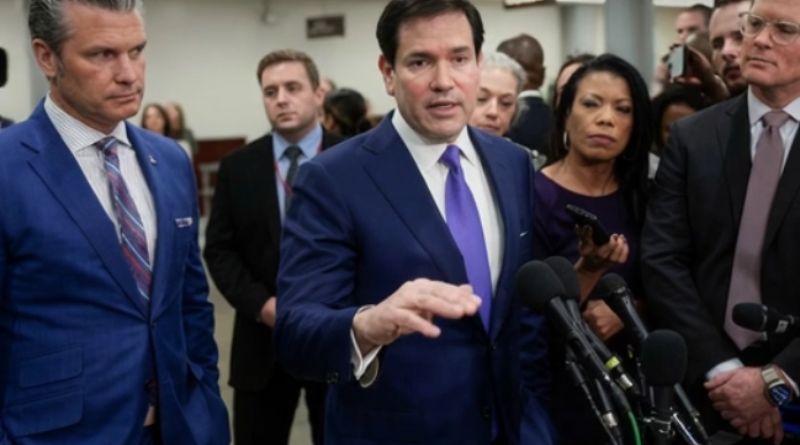
Secretary of State Marco Rubio stated on Friday that indirect, back-channel negotiations aimed at de-escalating tensions in the U.S.-Israel-Iran conflict have achieved “a little bit of movement.” However, Rubio struck a notably cautious tone, emphasizing that any advances remain limited and highly uncertain.
Speaking to reporters, Rubio described the latest developments as somewhat encouraging but insufficient to warrant optimism. “I don’t want to exaggerate it, but there’s been a little bit of movement, and that’s good,” he said. He added that he is “not popping champagne yet,” underscoring Washington’s reluctance to overstate the situation. Rubio warned that the window for meaningful diplomacy may not stay open indefinitely and reiterated a core U.S. objective: Iran must never be allowed to acquire a nuclear weapon.
Behind the scenes, Pakistan has once again stepped into a vital mediating role. Security sources report that Pakistan’s Army Chief, Field Marshal Syed Asim Munir, is expected to visit Tehran soon for high-level discussions with Iranian officials. Islamabad has actively worked to maintain open lines of communication between Washington and Tehran, building on its earlier success in helping broker a fragile ceasefire earlier this year.
A significant obstacle in the talks centers on Iran’s reported proposal for a “tolling system” in the Strait of Hormuz. Rubio rejected the idea outright, describing it as unacceptable, illegal, and unsustainable. He warned that such a system would undermine any potential diplomatic progress and set a dangerous precedent for international waterways. “The straits need to be open, unimpeded, without tolls,” Rubio stressed, noting that no other country supports Iran’s position on the issue.
The Strait of Hormuz holds immense strategic importance for global energy security. The narrow passageway, located between Iran and Oman, handles roughly one-fifth of the world’s oil shipments — approximately 20-21 million barrels per day. Any disruption, whether through military action, blockades, or imposed tolls, could trigger sharp spikes in global energy prices and broader economic instability.
The current diplomatic push follows months of heightened conflict, including U.S. and Israeli strikes on Iranian targets. While both sides appear interested in extending the ceasefire and stabilizing the region, deep disagreements persist over Iran’s nuclear program, enriched uranium stockpiles, and control of the vital shipping route.
Progress, though incremental, offers a glimmer of hope in a volatile situation. However, as Rubio and other officials have made clear, sustained movement will require genuine concessions — particularly on ensuring unrestricted access through the Strait of Hormuz. The coming weeks, facilitated in part by Pakistani diplomacy, will prove critical in determining whether these talks yield a lasting agreement or falter amid unresolved tensions.