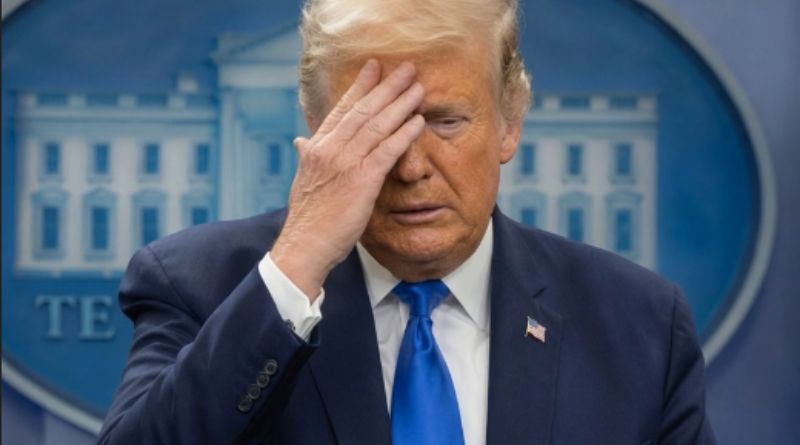
Prosecutors have filed a sweeping indictment against former President Donald Trump, accusing him of orchestrating a coordinated effort to undermine the lawful transfer of power after the 2020 presidential election. The charges include conspiracy to defraud the United States, obstruction of an official proceeding, and violation of constitutionally protected rights. Federal authorities allege the actions went beyond political speech and constituted deliberate attempts to interfere with government functions.
The case poses significant constitutional questions about the scope of presidential authority and the boundary between protected political expression and criminal conduct. Trump’s legal team has forcefully denied the allegations, describing the prosecution as politically motivated and arguing that his actions amounted to lawful advocacy.
As pre-trial motions and potential appeals proceed, the proceedings are expected to deepen national divisions. Supporters view the case as vital accountability for alleged abuses of power, while critics warn it risks criminalizing legitimate political dissent. The outcome could set important precedents for how future presidents handle contested elections and post-election disputes.