The death of Mansoureh Khojasteh Bagherzadeh, wife of Iran’s Supreme Leader Ayatollah Ali Khamenei, has become another emotional flashpoint in Iran’s rapidly escalating conflict with U.S. and Israeli forces. Iranian state television initially announced that Bagherzadeh, 79, had died from injuries suffered during the same airstrike that killed Khamenei at his compound in Tehran. According to early reports, she passed away two days after the attack. State television presenters described her death as the fulfillment of a “long dream of martyrdom,” framing it as a symbolic sacrifice that would strengthen national resistance. Broadcasters declared that her passing would inspire “a massive uprising in the fight against oppressors.” The announcement came shortly after Iran confirmed Khamenei’s death in an emotional televised broadcast that led authorities to declare a 40-day national mourning period along with a seven-day public holiday. Bagherzadeh had been married to Khamenei since 1965, and together they raised four sons and two daughters. Though she remained largely outside public political life, she occasionally spoke about her role during the years surrounding Iran’s revolution. In a 2011 interview with Iranian state media, she said her primary responsibility was maintaining peace inside the family home so her husband could focus on political and religious duties. “I think my biggest role was to preserve a calm atmosphere in our home so that he could do his work in peace,” she said at the time. She also recalled visiting him during periods of imprisonment, explaining that she avoided burdening him with family concerns and chose instead to share only positive news. Bagherzadeh acknowledged helping revolutionary networks by distributing pamphlets, carrying messages, and hiding documents, though she dismissed those efforts as minor.
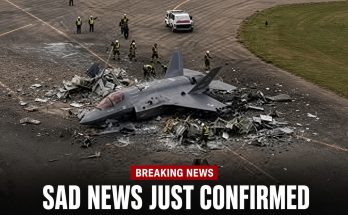
Her reported death came as military exchanges across the region intensified. Iranian officials say hundreds of civilians have been killed since the campaign began. The Iranian Red Crescent reported at least 555 deaths across more than 130 cities affected by strikes. Iran’s ambassador to the International Atomic Energy Agency, Reza Najafi, condemned the attacks as unlawful and accused U.S. and Israeli forces of targeting sensitive nuclear infrastructure, including the Natanz enrichment site. Najafi rejected accusations that Iran was pursuing nuclear weapons, calling such claims false. At the same time, senior Iranian official Ali Larijani stated publicly that Tehran would not negotiate with Washington under current conditions. Retaliatory military actions have spread across the region. Reports indicated strikes near the American embassy compound in Kuwait City, while Kuwaiti air defenses mistakenly downed three American F-15E fighter aircraft. U.S. Central Command later confirmed that all six crew members safely ejected and were recovered. Additional attacks were reported in Iraq, Cyprus, and the Gulf of Oman, where a drone strike hit an oil tanker near Muscat, killing one crew member. Saudi Arabia also temporarily shut down its Ras Tanura refinery after drone threats near Dammam. Meanwhile, a senior White House official said Iran’s emerging leadership may be signaling openness to future talks with the United States, though military operations continue as regional tensions remain extremely high. ⚠️🌍