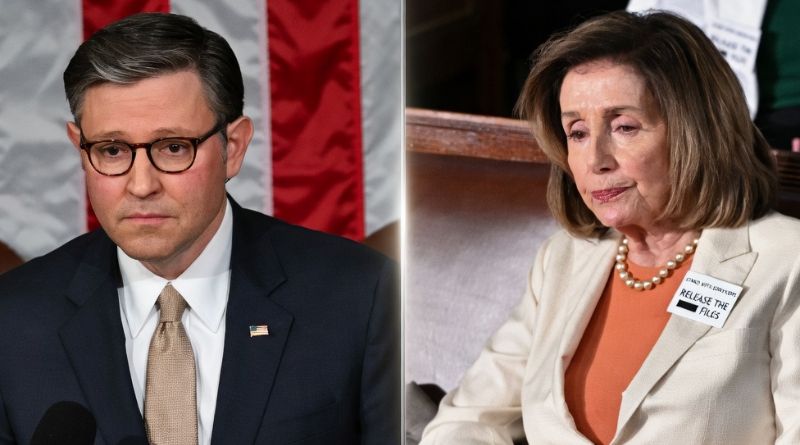
The U.S. House of Representatives has passed the Deporting Fraudsters Act in a 231-186 vote, a measure aimed at cracking down on noncitizens who commit welfare fraud. Introduced by Representative David Taylor (R-Ohio), the legislation seeks to amend the Immigration and Nationality Act to explicitly classify the fraudulent receipt of public benefits as a deportable offense. Proponents of the bill, including Representative Tom McClintock (R-Calif.), argue that noncitizens who defraud taxpayer-funded programs must be removed from the country and permanently barred from returning to ensure the integrity of social services. However, the bill faced significant opposition from Democrats, who characterized the legislation as redundant. Representative Jamie Raskin (D-Md.) led the critique, arguing that existing laws already allow for the deportation of noncitizens convicted of fraud. A major point of contention is the provision allowing for deportation before a formal criminal conviction is secured. Critics warn that bypassing the criminal justice system could violate due process and prevent victims of fraud from seeing their cases heard in court, effectively allowing offenders to escape legal accountability through immediate removal.
The legislative action comes as the House Oversight Committee intensifies its investigation into systemic fraud, specifically highlighting social services programs in Minnesota. Federal prosecutors estimate that up to $9 billion in taxpayer funds may have been stolen through various schemes. Republicans have also pointed to investigative work by independent journalist Nick Shirley regarding daycare fraud in Minnesota and California as evidence of widespread corruption. Representative Claudia Tenney (R-N.Y.) emphasized that such reporting underscores the need for legislative intervention to close oversight loopholes. Despite its success in the House, the Deporting Fraudsters Act faces a difficult path in the Senate. Given the current political climate and the 60-vote threshold required to advance most legislation, the bill is expected to encounter stiff resistance from the Democratic majority. The debate continues to highlight the deep divide in Washington over how to balance immigration enforcement with established legal protections.