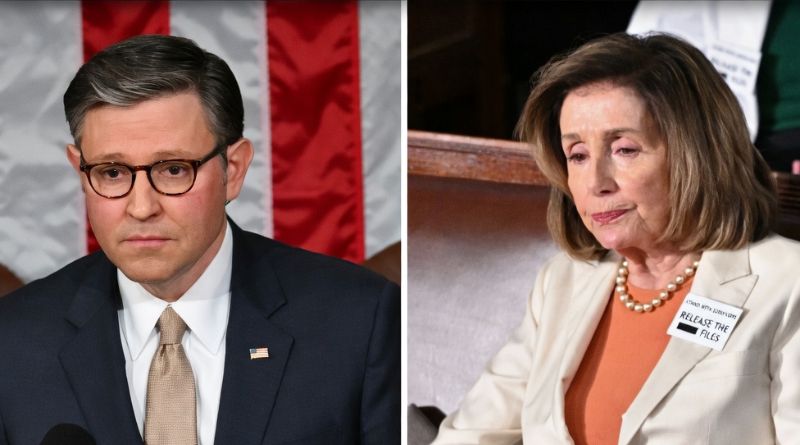
The U.S. House of Representatives has successfully passed the Deporting Fraudsters Act in a 231-186 vote, highlighting a sharp partisan divide over immigration enforcement and the protection of taxpayer-funded resources. Introduced by Representative David Taylor (R-Ohio), the legislation aims to amend the Immigration and Nationality Act to explicitly categorize fraud involving public benefits as a deportable offense. Supporters of the bill, primarily from the Republican Party, argue that the measure is essential for maintaining the integrity of social services. Representative Tom McClintock (R-Calif.) emphasized this stance during the floor debate, asserting that noncitizens who admit to or are convicted of defrauding the system should be removed from the country immediately and permanently barred from reentry. Despite its passage, the bill faced intense opposition from Democrats, who largely viewed the measure as redundant. Representative Jamie Raskin (D-Md.) criticized the legislation as an unnecessary addition to the legal code, arguing that existing federal laws already provide the authority to deport noncitizens convicted of fraud. A significant portion of the debate focused on due process concerns; Democrats warned that the bill might allow for the deportation of individuals before a formal criminal conviction is secured. This provision, they argued, could potentially bypass the criminal justice system and prevent alleged victims from having their day in court, effectively acting as a “get-out-of-jail free card” for the accused by removing them from the jurisdiction of U.S. courts.
The legislative push comes amid a broader investigation by the House Oversight Committee into widespread welfare fraud across several states. Federal prosecutors have estimated that up to $9 billion in taxpayer funds may have been misappropriated through various schemes, with nearly 100 individuals currently facing charges. Republicans have specifically pointed to systemic issues in Minnesota and California, citing investigative work by independent journalist Nick Shirley regarding daycare fraud as evidence that current oversight is failing. Representative Claudia Tenney (R-N.Y.) noted that such reporting has exposed the organized and widespread nature of these scams, necessitating a firmer federal response to protect public funds. While the bill has cleared the House, its future remains uncertain as it moves to the Senate. Observers expect the legislation to face significant hurdles in the upper chamber, where a 60-vote threshold is required to advance most measures. Given the entrenched opposition from Democratic lawmakers, the Deporting Fraudsters Act is unlikely to become law in its current form, though it remains a focal point of the ongoing national debate over immigration policy and fiscal accountability.