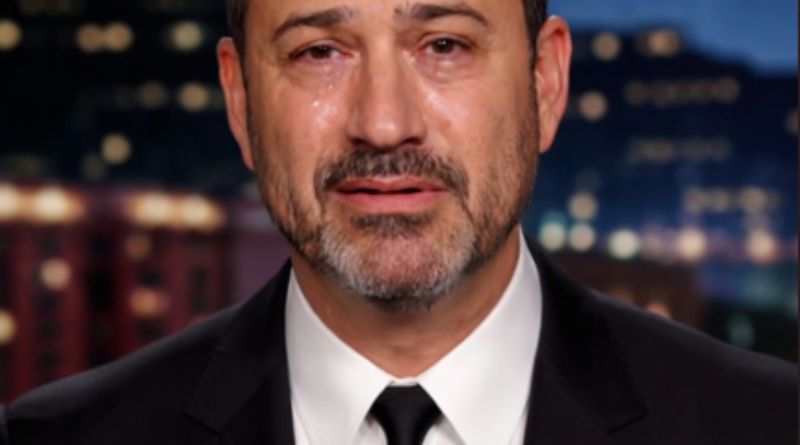
Major broadcasting network ABC and its affiliate Nexstar have announced the indefinite suspension of late-night host Jimmy Kimmel following a wave of backlash. The controversy stems from a monologue regarding the assassination of conservative commentator Charlie Kirk, in which Kimmel suggested the perpetrator held conservative views. This speculation was quickly debunked by investigators, who confirmed the suspect was a far-left extremist. ABC condemned the remarks as “offensive and insensitive,” leading to the immediate removal of Jimmy Kimmel Live! from the airwaves pending a formal review.
The fallout has drawn high-level criticism, most notably from FCC Commissioner Brendan Carr, who described the host’s rhetoric as “irresponsible and deeply inappropriate.” Carr emphasized that media outlets have a fundamental duty to uphold standards of accuracy, particularly in the wake of national tragedies. While ABC weighs potential further disciplinary actions, representatives for the comedian have remained silent, declining to offer any public comment on the suspension or the nature of the broadcast.
This incident has sparked a broader debate concerning the ethical boundaries of late-night comedy and the role of public figures in shaping political discourse. Critics argue that the platform of national television carries a burden of care that was neglected in this instance. Conversely, the situation has raised questions about the chilling effects of network intervention on free expression. As the dust settles, the event serves as a significant case study in the intersection of media responsibility, political violence, and the weight of public speech.