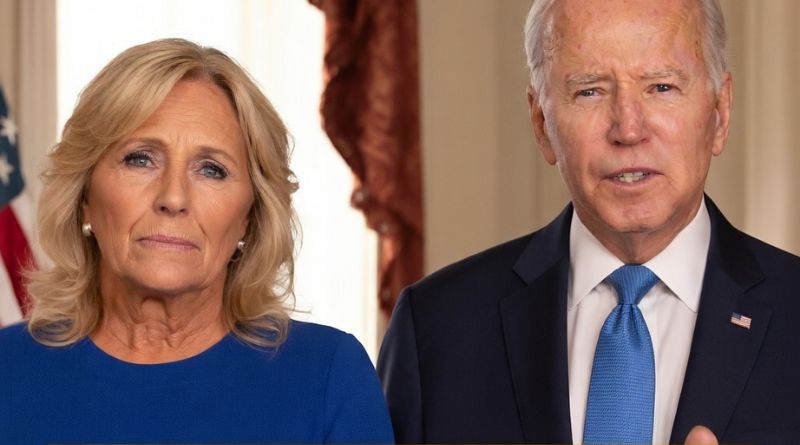
On July 24, 2024, President Joe Biden delivered an emotional address from the Oval Office, announcing his decision to withdraw from the 2024 presidential race. With his voice thick with feeling and eyes welling with tears, Biden explained that the move came after intense scrutiny over his age and fitness, intensified by a difficult debate performance against former President Donald Trump in late June. He framed the choice as a selfless one, prioritizing the nation and his party over personal ambition. “I revere this office,” he said, “but I love my country more.” In defense of democracy, he added, “nothing can come in the way… That includes personal ambition.”
Surrounded by family—including First Lady Jill Biden, his children, and grandchildren—Biden reflected on his improbable journey. A kid with a stutter from modest beginnings in Scranton, Pennsylvania, and Claymont, Delaware, he had risen to sit behind the Resolute Desk. “Nowhere else on Earth could a kid with a stutter from modest beginnings… one day sit behind the Resolute Desk in the Oval Office as President of the United States,” he remarked. The moment captured both the personal weight of his decision and his deep reverence for the presidency and American opportunity.
Biden used the speech to strongly endorse Vice President Kamala Harris as the Democratic nominee, urging Americans to unite behind her. He expressed full confidence in her leadership and ability to carry forward the administration’s work. Harris’s subsequent nomination made history: she became the first woman of color to lead a major party’s presidential ticket in the United States.
The announcement drew varied reactions. Many domestic supporters and international allies praised Biden’s statesmanship and willingness to step aside for the greater good. World leaders, including those from the UK, Canada, Ukraine, and Israel, offered tributes, thanking him for his leadership, friendship, and support on global issues. Some critics at home saw the decision as driven by political pressure rather than pure idealism. Yet across the spectrum, the move was widely viewed as a significant act of putting country before self, aiming to position the Democratic Party with its strongest possible candidate heading into the election.
In the weeks that followed, Biden remained focused on his presidential responsibilities. He continued advancing policy priorities and engaging in international diplomacy, determined to serve effectively until the end of his term. The period reflected a blend of personal reflection on a long career and optimism about the future, as the country turned its attention to a new phase in its political story.
Biden’s withdrawal marked a pivotal turning point in the 2024 election cycle. It underscored themes of generational change and the enduring strength of American democracy, even amid deep divisions. By choosing to “pass the torch,” as he described it, Biden sought to ensure the nation faced its challenges with renewed energy and unity. His address, delivered in the symbolic heart of American power, will be remembered as a rare moment of vulnerability and resolve from a president who had served for decades in public life.