The United States Senate has emerged as the central arena for a heated constitutional showdown, triggered by a bold U.S. military raid in Venezuela that seized longtime leader Nicolás Maduro. The overnight operation in early January 2026 has ignited fierce debate over the boundaries of presidential power, congressional oversight, and the definition of “hostilities” in an age of swift, high-tech interventions.
The Trump administration portrayed the mission as a targeted law-enforcement action to bring a indicted narcotics kingpin to justice. Critics, however, contend it amounted to an act of war, executed without congressional authorization and in violation of Venezuelan sovereignty. The episode underscores longstanding tensions between the executive branch’s claims of broad authority as commander-in-chief and Congress’s constitutional role in declaring or authorizing war.
The Raid That Captured Global Attention
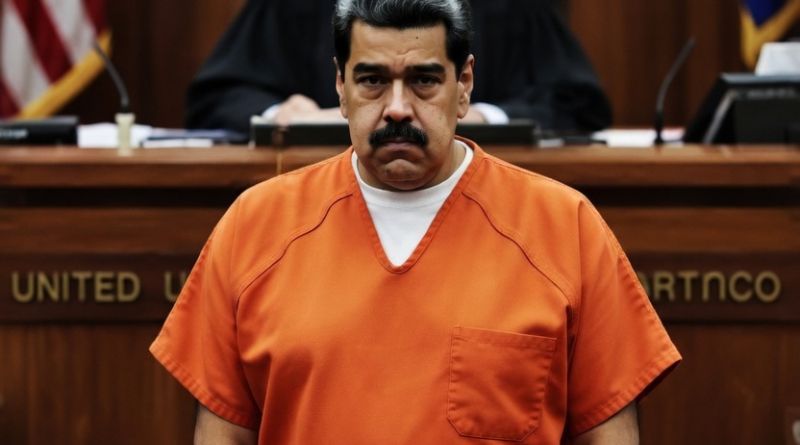
On January 3, 2026, U.S. special operations forces, supported by intelligence assets and precision strikes, conducted a daring nighttime raid in Caracas. Elite units from Delta Force, aided by CIA intelligence, breached Maduro’s residence. Maduro and his wife, Cilia Flores, were surprised in their sleep and taken into custody after a brief firefight. They were quickly extracted by helicopter and transferred to U.S. custody, ultimately arriving in New York to face federal charges that include narco-terrorism, conspiracy to import cocaine, and weapons violations.
The administration described the operation, reportedly codenamed “Operation Absolute Resolve,” as a precise enforcement of longstanding indictments rather than military aggression. Advanced surveillance, stealth capabilities, and rapid extraction minimized prolonged engagement, with no U.S. troops left on Venezuelan soil afterward. Officials highlighted the mission’s surgical nature and the absence of significant American casualties.
Yet the scale of the action— involving suppression of air defenses, multiple aircraft, and a direct assault on the sitting president’s compound—led many observers to view it as far more than a routine arrest. International law experts criticized the unilateral removal of a head of state without United Nations Security Council approval or broad regional consensus, arguing it sets a dangerous precedent for cross-border abductions disguised as justice operations.
Domestically, the raid polarized opinion. Supporters praised it as a decisive strike against a corrupt regime accused of drug trafficking and regional destabilization. Detractors warned of executive overreach and the erosion of norms against intervening in sovereign nations.
Senate Showdown Over War Powers
The political backlash crystallized in the Senate, where a bipartisan group of lawmakers introduced a War Powers Resolution aimed at reasserting congressional authority. Led by figures including Senator Tim Kaine (D-VA) and with support from libertarian-leaning Republicans like Rand Paul (R-KY), the measure sought to prohibit further U.S. military actions in Venezuela without explicit congressional approval.
Floor debates grew heated. Proponents argued that forcibly seizing a foreign head of state, even one facing serious criminal charges, inherently constitutes “hostilities” under the Constitution and the 1973 War Powers Resolution. They emphasized the violation of international norms and the risk of setting a precedent that could undermine global stability.
Opponents countered that the president possesses inherent authority to protect national security and enforce U.S. law against indicted threats. They noted the operation’s limited scope—no sustained occupation or ground war—and insisted that labeling it mere law enforcement avoided the need for prior congressional sign-off.
The confrontation peaked around mid-January. Initial momentum favored the resolution, with a handful of Republicans joining Democrats to advance it. However, intense White House pressure prompted several GOP senators to reverse course. The final vote resulted in a narrow margin that effectively blocked the measure, preserving the administration’s flexibility for potential future actions. The episode exposed significant divisions within the Republican Party and highlighted the razor-thin nature of congressional checks on executive military decisions.
Constitutional and Legal Fault Lines
At the core of the dispute lies the War Powers Clause of the U.S. Constitution, which assigns Congress the power to declare war, while designating the president as commander-in-chief. Over decades, presidents from both parties have asserted expansive authority for short-duration operations, targeted strikes, and counterterrorism actions without formal declarations.
Defenders of the Maduro raid point out that the 1973 War Powers Resolution was designed for prolonged conflicts exceeding 60 days, not discrete raids. They argue that Maduro’s status as a indicted figure linked to drug cartels and threats to hemispheric security justified swift executive action. Waiting for congressional debate, they claim, could have jeopardized the mission and allowed the target to escape.
Critics counter that the operation blurred the line between law enforcement and armed conflict. By deploying military assets to violate another nation’s airspace and territory to apprehend its leader, the administration arguably bypassed the framers’ intent for shared powers. Legal scholars debate whether such precision raids in the modern era—enabled by drones, special forces, and advanced intelligence—require updated interpretations of “hostilities.”
The Justice Department reportedly issued a detailed memo defending the action’s legality, but opponents have signaled potential court challenges. Some House members have begun drafting parallel legislation to strengthen legislative oversight of future interventions.
International and Regional Fallout
The operation sent shockwaves across Latin America and beyond. Protests erupted near U.S. diplomatic facilities in several countries, with critics decrying a return to interventionist policies. Regional governments expressed unease about the precedent, fearing it could normalize unilateral abductions of leaders under criminal pretexts.
Within Venezuela, the political transition has been turbulent. Acting President Delcy Rodríguez assumed interim leadership, and reports indicate U.S. officials, including CIA Director John Ratcliffe, engaged with Caracas to manage stability and discuss oil infrastructure. The Trump administration has signaled intentions to oversee aspects of Venezuela’s transition, including its significant oil resources, raising questions about long-term involvement.
Internationally, organizations like the United Nations and the Organization of American States voiced concerns over the legality and potential destabilizing effects. Some legal experts labeled the action a breach of foundational principles of sovereignty and non-intervention.
On the positive side for supporters, opposition figures such as María Corina Machado were received at the White House, with the administration framing the raid as advancing democracy and accountability in the region. Maduro and his wife have pleaded not guilty in U.S. court and remain in custody pending trial.
Historical Echoes and Broader Implications
This episode fits into a pattern of U.S. presidents testing war powers boundaries. Comparisons include the failed 1980 Iran hostage rescue under Jimmy Carter, Barack Obama’s 2011 Libya intervention without congressional approval, and targeted raids against terrorist leaders in places like Syria. Each case has reignited questions about operational necessity versus constitutional process in an era of rapid-response capabilities.
Domestically, the raid has deepened partisan divides. Polls suggest many Americans approve of holding Maduro accountable for alleged crimes but remain wary of broad unilateral military actions absent congressional input. The Senate’s close vote revealed fractures even among those sympathetic to the operation’s goals.
Geopolitically, Latin American nations are reassessing defenses and alliances in light of the demonstrated U.S. reach. The episode may influence future deterrence calculations regarding transnational crime and authoritarian regimes.
Looking Ahead: Checks, Balances, and Precedent
As Maduro’s legal proceedings continue in New York and Venezuela navigates its post-Maduro landscape, the constitutional debate persists. Potential Supreme Court involvement could clarify the limits of presidential “law-enforcement” powers when they intersect with military force.
The central tension remains unresolved: In a world of advanced technology and transnational threats, how should the United States balance decisive executive action with legislative oversight and international norms? The Maduro raid illustrates the challenges of applying 18th-century constitutional principles to 21st-century realities.
Scholars warn that without clearer boundaries, future administrations—regardless of party—may increasingly favor unilateral precision operations, gradually shifting power toward the executive. Congress, meanwhile, must decide whether to modernize the War Powers Resolution or risk marginalization in foreign policy crises.
In the end, the Venezuela operation transcends one leader’s capture. It represents a pivotal test for American governance: whether military success abroad can coexist with robust democratic checks at home, and how the nation defines accountability in an interconnected world. The Senate’s role in this drama, though ultimately limited in immediate impact, signals that the struggle over war powers will continue shaping U.S. strategy and identity for years to come.