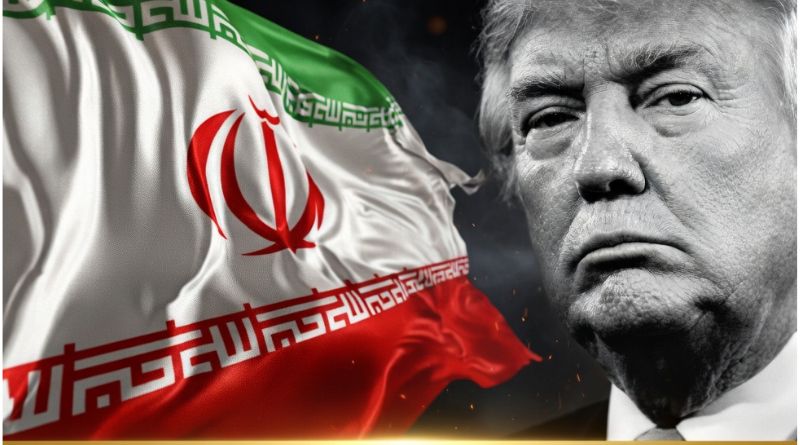
President Donald Trump announced that Iran has agreed to allow additional oil tankers to transit the Strait of Hormuz, framing the development as a significant goodwill gesture amid ongoing negotiations to de-escalate the conflict that erupted in late February 2026.
Speaking to reporters aboard Air Force One, Trump stated that Iran had expanded an earlier concession—initially involving around 10 tankers—to include 20 more vessels. He described the move as a “tribute” or “present” to the United States, with the additional tankers scheduled to begin passing through the strategic waterway starting the following morning.
“They gave us… 20 boats of oil. Big, big boats going through the Hormuz Strait,” Trump said. “That’s taking place starting tomorrow morning.”
The announcement follows what the president had earlier called an initial “gift” from Iran, linked to direct discussions between U.S. officials and Iranian representatives. The Strait of Hormuz, a narrow chokepoint between the Persian Gulf and the Gulf of Oman, is critical to global energy security. Prior to the conflict, it carried roughly one-fifth to one-third of the world’s seaborne oil and significant volumes of liquefied natural gas. Since hostilities began, tanker traffic has plummeted by as much as 90 percent in some reports, causing sharp volatility in energy markets and raising concerns among U.S. allies.
Administration officials view the limited reopening as a positive signal of potential de-escalation. However, Iranian sources have characterized the shipments as routine regional trade or commercial arrangements rather than formal concessions to U.S. pressure. Some reports indicate Iran has imposed substantial transit fees—reportedly up to $2 million per vessel in certain cases—on ships allowed through its territorial waters.
Trump coupled his optimism about the tanker movements with a firm warning. He reiterated that the United States remains prepared to escalate if a comprehensive deal is not reached, stating he could “blow up and completely obliterate” key Iranian infrastructure, including electric plants, oil facilities, and export hubs, should Tehran fail to fully reopen the strait and meet negotiating terms.
This dual-track strategy—applying sustained military pressure while pursuing diplomacy—continues to define the U.S. approach. The Pentagon has bolstered its regional presence with additional naval assets, Marine units, and elements of the 82nd Airborne Division. Amphibious ships, such as the USS Tripoli, are positioned to support a range of operations. When questioned about potential ground involvement, Trump indicated multiple contingencies are under consideration, noting that U.S. forces are “weeks ahead of schedule” with “tremendous numbers of ships” in the area.
Global markets have shown mixed reactions to the developments. Oil prices have fluctuated in response to fears of prolonged disruption, while signs of negotiating progress have at times buoyed equities. Analysts remain divided: some see the incremental tanker allowances as a step toward stabilization, while others caution that the limited scope will do little to ease broader supply constraints unless the strait is fully reopened.
The situation is further complicated by Iran’s internal dynamics. Reports suggest Tehran may be contemplating withdrawal from the Nuclear Non-Proliferation Treaty (NPT), a move that could heighten tensions given longstanding U.S. concerns over Iran’s nuclear enrichment activities and the potential shortening of its “breakout” time to a nuclear weapon.
As negotiations advance, the focus is expected to shift toward securing a broader reopening of the Strait of Hormuz and formal commitments that could bring the conflict to a close. Recent maritime data has shown modest increases in ship traffic, though the waterway remains far from normal operations, with thousands of vessels reportedly stranded or loitering nearby.
Trump has emphasized that progress is being made through direct engagement, even as military options stay firmly on the table. The coming days and weeks will likely determine whether these limited concessions translate into a durable path toward peace or remain temporary measures in a high-stakes standoff.