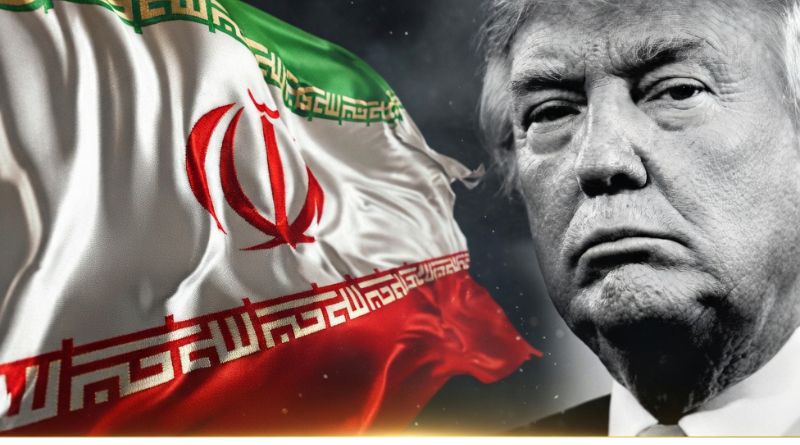
President Donald Trump announced that Iran has agreed to allow additional oil tankers to transit the Strait of Hormuz, framing the development as a positive gesture amid ongoing negotiations to de-escalate the conflict that erupted in late February 2026.
Speaking to reporters aboard Air Force One, Trump stated that Iran expanded an earlier concession—initially involving around 10 tankers—to include 20 more vessels. He described the move as a “tribute” or “sign of respect” to the United States, with the additional tankers scheduled to begin passing through the strategic waterway starting the following morning.
“They gave us… 20 boats of oil. Big, big boats going through the Hormuz Strait,” Trump said. He characterized the shipments as building on what he previously called an initial “gift” or “present” from Iran earlier in the week, tied to direct discussions between U.S. and Iranian officials.
The Strait of Hormuz serves as a critical global energy chokepoint. Before the conflict, it carried roughly one-fifth to one-third of the world’s seaborne oil trade. Since hostilities began, maritime traffic has plummeted by up to 90 percent in some reports, triggering sharp volatility in energy markets, higher fuel prices, and concerns among U.S. allies. Recent days have seen modest increases in ship movements, though the waterway remains far from fully operational.
Administration officials view Iran’s limited allowance of tanker passage as an encouraging signal of potential de-escalation. However, Iranian sources have portrayed the activity as routine regional trade or part of a controlled system involving fees, rather than a direct concession to U.S. pressure. Trump, by contrast, linked the development to broader negotiating progress, noting, “We’re dealing directly,” while indicating talks continue to evolve.
At the same time, the president paired optimism with firm warnings. He reiterated that the United States stands ready to escalate if a comprehensive deal is not reached, stating he could “blow up and completely obliterate” key Iranian infrastructure, including electric plants, oil facilities, and export hubs, should Tehran refuse to fully reopen the strait and meet terms.
This dual-track strategy—military pressure combined with diplomacy—has shaped recent developments. The U.S. has bolstered its regional presence with additional naval assets, Marine units, and elements of the 82nd Airborne Division. Amphibious ships like the USS Tripoli have been positioned for potential operations. When asked about ground involvement, Trump said he maintains “lots of alternates” and noted that U.S. forces are “weeks ahead of schedule” with “tremendous numbers of ships” in the area. The Pentagon continues contingency planning, though no decision on a prolonged ground campaign has been finalized.
Global markets have shown mixed reactions to the fluctuating signals. Oil prices have risen on fears of extended disruption, while equities have occasionally rallied on hints of diplomatic headway. Analysts remain divided: some see the tanker allowances as incremental progress toward stability, while others warn that the limited scope may not ease broader supply constraints without a fuller reopening.
The situation is further complicated by reports of internal Iranian deliberations, including possible considerations around the Nuclear Non-Proliferation Treaty, and ongoing U.S. intelligence concerns about Tehran’s nuclear activities. The next phase of negotiations is expected to center on securing a wider reopening of the Strait of Hormuz and formal commitments to end the conflict.
As of early April 2026, limited ship traffic has shown signs of increase, but full normalization remains uncertain amid persistent military and diplomatic tensions.