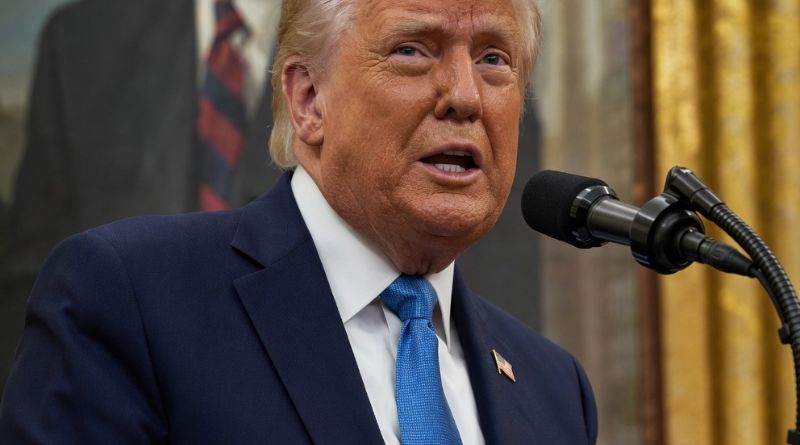
President Donald Trump’s comments about a potential “friendly takeover” of Cuba in early 2026 ignited fierce debate across political circles, media outlets, and social platforms. Speaking candidly to reporters on March 9 at a GOP event in Doral, Florida, Trump remarked that Secretary of State Marco Rubio was handling the Cuba situation: “It may be a friendly takeover. It may not be a friendly takeover. It wouldn’t matter because they’re really down to, as they say, fumes. They have no energy, they have no money.”
These remarks built on earlier statements. In late February, Trump highlighted Cuba’s dire economic straits, noting the island had “no money” and “no anything right now,” while suggesting ongoing talks with Havana could lead to a “friendly takeover.” He later escalated by saying he expected to have “the honor of taking Cuba in some form” and that he could “do anything I want with it.” By late March, he declared “Cuba is next,” framing it within broader U.S. successes in Venezuela and Iran.
The context is a deepening crisis in Cuba. Following the U.S. military intervention that removed Venezuelan President Nicolás Maduro in January 2026, Washington intensified pressure by cutting off Venezuelan oil shipments—the lifeline for much of Cuba’s energy needs. This contributed to widespread blackouts, soaring food prices, and humanitarian strains. Trump’s administration has tightened sanctions and signaled a strategy of maximum economic pressure aimed at encouraging regime change or significant concessions, with Rubio, who has deep personal ties to the Cuban-American community, playing a central role in diplomacy.
Trump’s approach echoes his pattern of unscripted, blunt rhetoric. Supporters view it as refreshing authenticity and a strong stand against communism. Many in the Cuban exile community and conservative circles applauded the comments as evidence of decisive leadership willing to confront adversarial regimes in the Western Hemisphere. Online, clips of the remarks circulated with approval, framing them as long-overdue toughness.
Critics, however, condemned the language as imperialist and reckless. They warned that talk of “taking” Cuba risks escalating tensions, alienating regional allies, and inviting humanitarian fallout. Cuban officials pushed back, confirming talks exist but rejecting any notion of surrender or external control. Analysts drew parallels to past U.S. interventions: the swift success in Grenada versus the prolonged challenges in Iraq. While some note Cuba’s proximity to Florida offers strategic value for U.S. security, others caution against military entanglement amid ongoing global flashpoints.
The episode fits into Trump’s second-term foreign policy, which emphasizes leveraging economic tools and targeted actions to reshape hostile governments. After the Venezuela operation and strikes related to Iran, Cuba appears positioned as the next focal point. No overt military moves against Havana have materialized yet, but the combination of sanctions, oil blockades, and public rhetoric has deepened the island’s isolation. The United Nations and aid groups have raised alarms about potential health and food crises affecting millions.
Social media amplified the divide. Supporters shared memes celebrating anti-communist resolve, while opponents decried “dangerous talk” that could spark broader conflict. Political observers note how such moments energize Trump’s base but also mobilize opposition, mirroring the polarized U.S. landscape.
Unfiltered comments like these continue to dominate news cycles in an era of scripted politics. They reveal underlying intentions—here, a clear push for leadership change in Cuba—while carrying risks of misinterpretation or diplomatic blowback. Trump’s style prioritizes disruption over delicacy, often forcing issues into the open.
As Cuba grapples with blackouts and economic collapse, and as negotiations reportedly continue (including discussions around potential leadership transitions), the situation remains fluid. Allies in Latin America watch closely, some quietly supportive of reduced Cuban influence in the region. For now, the focus stays on economic leverage rather than boots on the ground, though Trump has left all options open.
In essence, the “friendly takeover” remarks encapsulate Trump’s direct approach to foreign policy challenges. Whether they accelerate a breakthrough or heighten confrontation will depend on how events unfold in the coming months. The Cuba story, like many in 2026, is evolving rapidly amid shifting hemispheric dynamics.