THE CIVILIZATION TRIGGER: Constitutional Crisis Erupts on Capitol Hill Over Trump’s Iran Rhetoric
WASHINGTON D.C. — In American presidential history, some moments smolder as fuses while others explode as detonators. On April 19, 2026, President Donald Trump’s social media declaration that “a whole civilization will die tonight” unless Iran yielded on the Strait of Hormuz lit the powder keg.
The post, intended as maximum-pressure diplomacy amid naval tensions, triggered immediate global alarm and a swift constitutional backlash in Congress. Within hours, lawmakers mobilized with draft impeachment articles, 25th Amendment resolutions, and emergency War Powers hearings. What began as a foreign policy standoff rapidly evolved into a broad institutional challenge testing the limits of presidential power.
The Spark: “A Whole Civilization Will Die”
Trump’s statement was framed by the White House as decisive strength to reopen the critical oil chokepoint. Critics, however, saw it as something far more dangerous. Senator Ed Markey (D-MA) took to the Senate floor, labeling the comment an impeachable offense. Representative Ro Khanna (D-CA) invoked the Geneva Conventions, arguing that threats against an entire civilization violate international humanitarian law binding on the United States.
“This isn’t mere grandstanding,” said one senior House aide. “It’s activating the last constitutional safeguards available.”
Larson’s 13-Count Impeachment Resolution
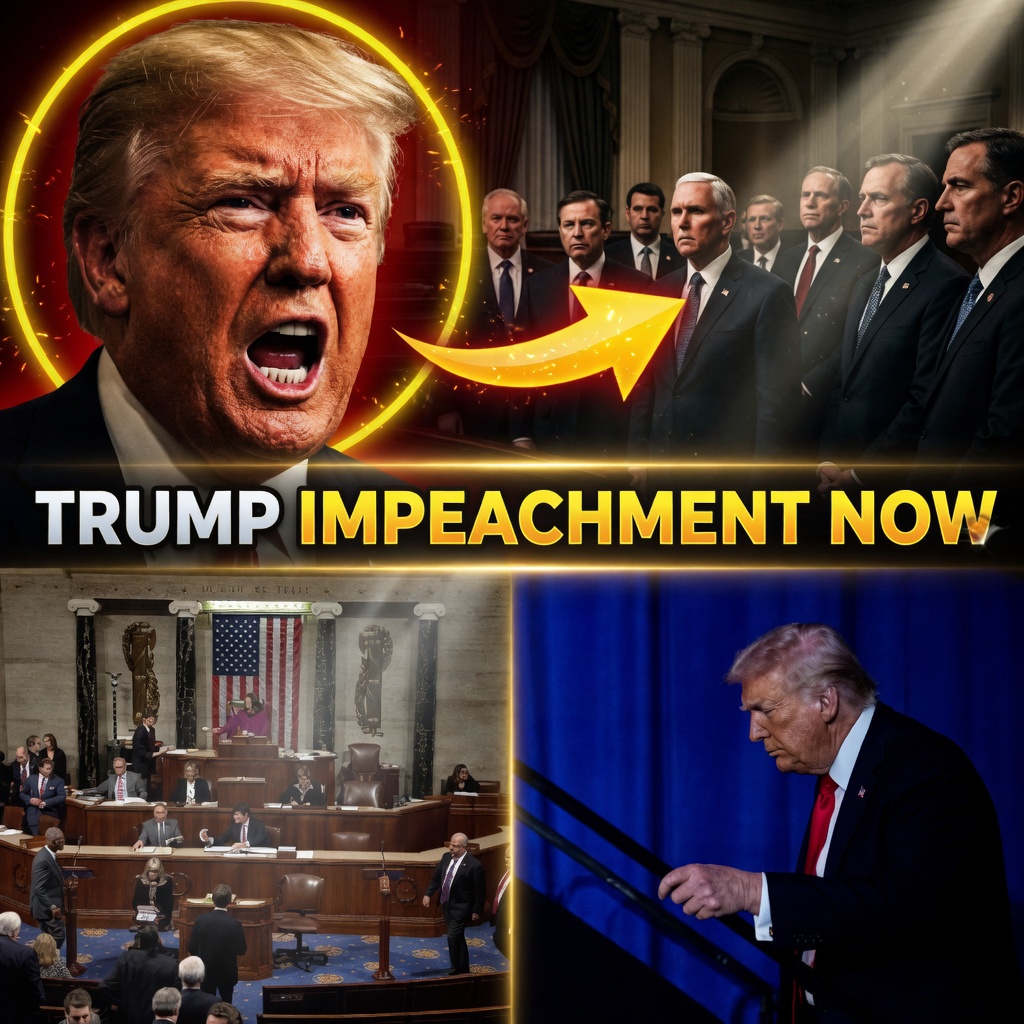
While outrage dominated headlines, Representative John Larson (D-CT) introduced a detailed 13-count impeachment resolution. It portrays the Iran operation not as legitimate defense of U.S. interests but as an “unauthorized criminal war of aggression.”
The articles break down as follows:
- Articles 1-4: Unauthorized war, violating Congress’s power under Article I, Section 8 of the Constitution.
- Articles 5-7: Breaches of the 1973 War Powers Resolution.
- Articles 8-10: Abuse of power through threats to civilian infrastructure.
- Articles 11-13: Incitement and unfitness tied to the “civilization” comment and defiance of institutional norms.
Nearly 100 lawmakers, predominantly Democrats, co-sponsored the measure in the first six hours. Supporters view it as a serious assertion that the president’s actions undermine democratic governance.
The 25th Amendment Push: Questioning Fitness
Parallel efforts invoke Section 4 of the 25th Amendment. Over 20 Democratic members argue the statement demonstrates the president is mentally or temperamentally unfit to control nuclear decisions. While the Trump-aligned Cabinet makes invocation unlikely, proponents say the process serves vital purposes: it puts the administration on formal notice and forces Republicans to publicly defend or distance themselves from the rhetoric—choices already shaping 2026 midterm narratives.
Reclaiming War Powers
The crisis has reignited debate over the 1973 War Powers Resolution. The Constitution grants Congress the authority to declare war, yet U.S. strikes on Kharg Island and naval actions proceeded without legislative approval. Lawmakers now demand an emergency session as the 60-day window for unauthorized operations nears its end.
Critics of the administration dismiss congressional objections as “pathetic” partisan games, but the underlying question remains: Who holds the power to commit the nation to war?
Republican Caution and Electoral Stakes
Republican responses have been notably restrained. While some allies defended the president’s “strength,” many—especially those in competitive suburban districts—have stayed quiet. These swing-district members face growing pressure from college-educated voters who prioritize institutional stability. Democratic groups are already tracking non-responses for targeted advertising in the upcoming midterms.
A Defining Stress Test
President Trump’s “civilization” comment acted as a spark in a volatile environment. It has produced a multi-front constitutional offensive: 13 impeachment articles, a 25th Amendment drive, and a renewed battle over war powers. Whether these mechanisms can effectively check executive overreach—or whether they devolve into partisan deadlock—will shape the coming weeks.
At its heart, the controversy transcends one social media post. It raises fundamental questions about the resilience of America’s checks and balances when presidential actions carry civilizational stakes. The coming days will reveal whether Congress can reclaim its constitutional role or if the machinery of accountability will grind to a halt under political pressure.