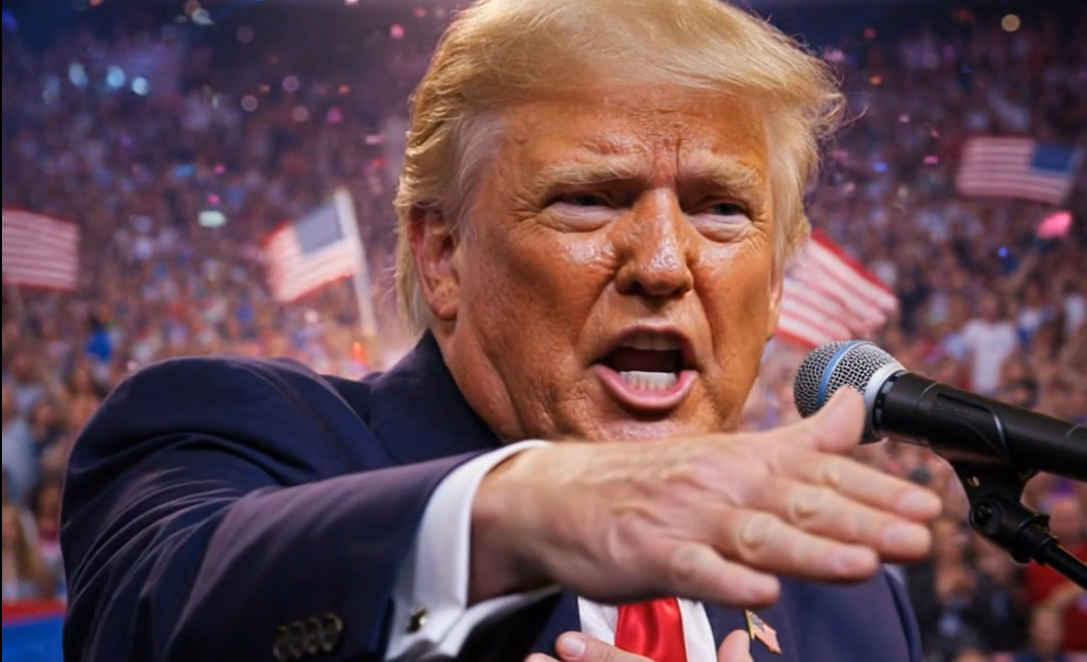
President Donald Trump has once again thrust immigration policy into the national spotlight by reinstating and expanding travel restrictions that include a full ban on entry for nationals from Somalia. The measure, part of a broader proclamation first issued in June 2025 and expanded in December of that year, suspends both immigrant and nonimmigrant visas for citizens of Somalia and several other countries deemed high-risk due to deficiencies in screening, vetting, and information-sharing capabilities.
Supporters of the policy argue that it is a necessary step to bolster national security in an era of persistent global instability. Somalia, they note, lacks a reliable central authority capable of issuing trustworthy passports or civil documents and has historically struggled with cooperation on repatriation and background checks. In regions plagued by weak governance and the presence of extremist organizations, stricter controls allow U.S. authorities to conduct more rigorous vetting before individuals attempt to enter the country. Backers view the ban as a preventive measure that prioritizes American safety over unchecked migration, echoing similar travel restrictions implemented during Trump’s first term that aimed to close vulnerabilities in the screening process.
The renewed focus on Somalia has also spotlighted long-established Somali immigrant communities in the United States, particularly in Minnesota, which is home to one of the largest Somali-American populations in the country. Proponents of tighter immigration rules contend that rapid population growth in certain areas has placed significant strain on local resources, including public schools, housing, healthcare systems, and social services. They emphasize the need for policymakers to weigh humanitarian goals against the practical demands these demographic shifts impose on communities and taxpayers.
Critics, however, contend that nationality-based bans are overly blunt instruments that penalize ordinary people—such as students, professionals, and families fleeing hardship or seeking better opportunities—who pose no security threat. They argue that such policies risk tarnishing the United States’ image as a beacon for immigrants and refugees, while failing to address underlying issues through targeted, intelligence-driven approaches. Opponents warn that broad restrictions may exacerbate diplomatic tensions and overlook the contributions many Somali-Americans have made to American society.
As the debate intensifies, Trump’s immigration agenda continues to highlight deep divisions over border security, vetting standards, and the balance between openness and protection in a complex global landscape. The Somalia-related measures reflect ongoing tensions between national security imperatives and America’s traditional role as a destination for those pursuing safety and opportunity.