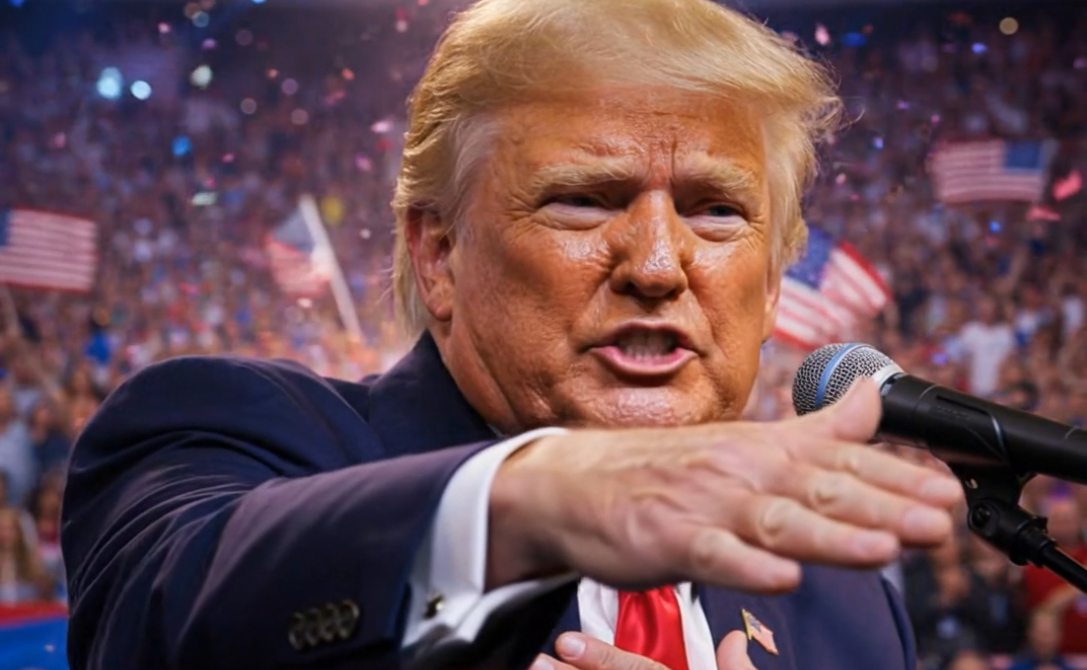
Trump Revives Immigration Debate with Proposed Somalia Travel Ban
Former President Donald Trump has once again thrust immigration policy into the national spotlight by calling for a complete ban on travelers from Somalia entering the United States. The proposal has sparked intense discussion across the political spectrum, with supporters hailing it as a necessary step to strengthen national security and critics condemning it as overly broad and potentially discriminatory.
Proponents of the ban argue that it addresses legitimate security risks stemming from Somalia’s prolonged political instability, weak governance, and the presence of extremist organizations operating within its borders. They contend that imposing stricter travel restrictions would allow U.S. authorities to conduct more rigorous vetting processes, reducing the potential for threats to enter the country. For many supporters, the measure represents a proactive, commonsense approach that prioritizes American safety over unchecked immigration.
The suggestion echoes travel restrictions Trump implemented during his first term, which targeted several nations with significant security and vetting challenges. Backers maintain that those earlier policies were not intended to target specific religions or ethnic groups, but rather to enhance screening procedures and protect the integrity of the U.S. immigration system. They view the new proposal as a continuation of that philosophy, emphasizing robust border enforcement and thorough background checks.
The debate has also refocused attention on Somali immigrant communities in the United States, particularly in Minnesota, where the population has grown substantially over the past several decades. Advocates for tighter immigration controls point to the strain that rapid population increases can place on local resources, including public schools, housing, healthcare facilities, and social services. They argue that policymakers must carefully weigh humanitarian goals against the practical capacity of communities to absorb large numbers of new arrivals without compromising quality of life or public safety.
Critics of the proposal, however, contend that nationality-based bans unfairly penalize millions of ordinary people—students, professionals, and families—who pose no security risk. They warn that such sweeping measures could harm America’s global image as a nation of opportunity and refuge, while doing little to solve underlying security issues. Opponents argue that broad restrictions fail to differentiate between genuine threats and law-abiding individuals seeking a better life, potentially undermining American values of fairness and openness.
As the conversation unfolds, Trump’s latest immigration proposal highlights the deep divisions that continue to define the national debate over border security, immigration reform, and America’s role in addressing global migration pressures. Whether the idea gains traction or remains a campaign talking point, it underscores the ongoing tension between national security priorities and the nation’s long-standing tradition of welcoming immigrants.