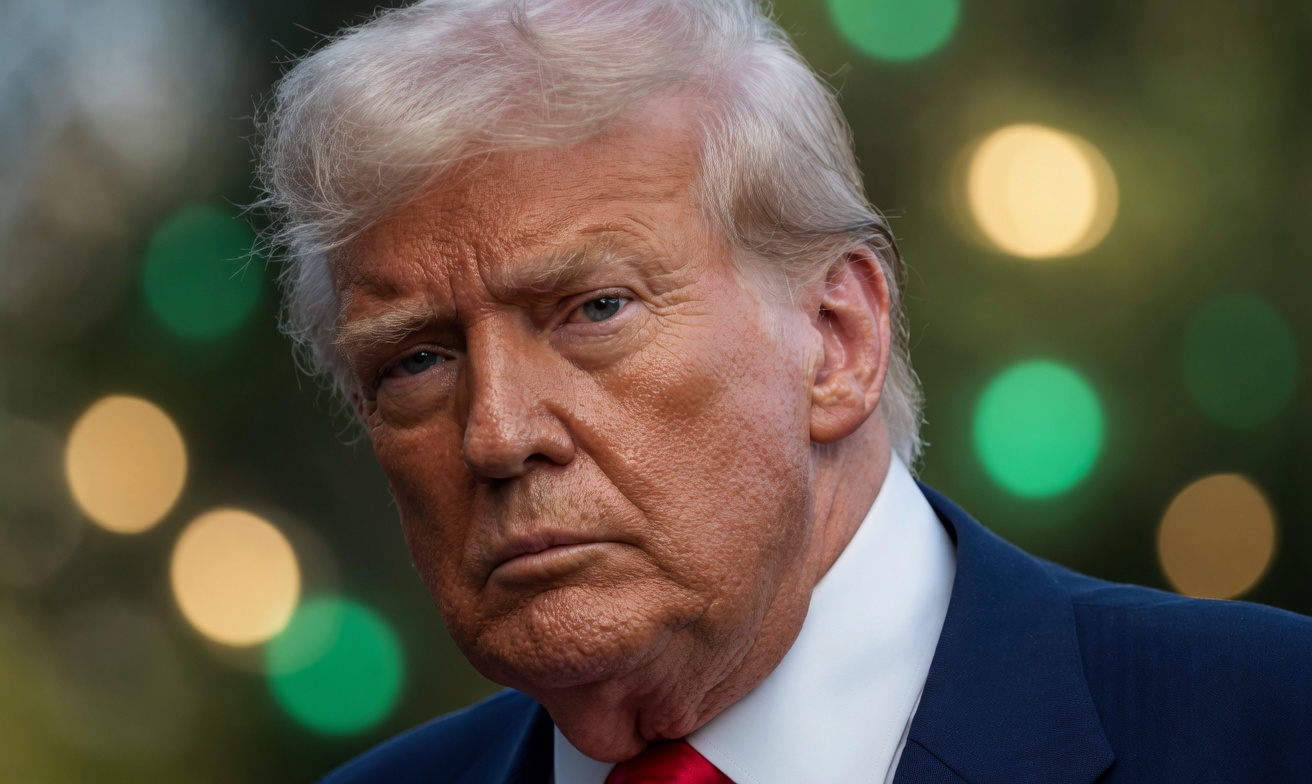
Former President Donald Trump has asked the U.S. Supreme Court to overturn a $5 million civil verdict that found him liable for sexually abusing and defaming writer E. Jean Carroll. The long-running case, which continues to draw intense public scrutiny, raises broader questions about evidentiary standards in high-profile civil trials and the limits of presidential accountability.
Carroll, a journalist and advice columnist, alleged that Trump assaulted her in a dressing room at Bergdorf Goodman in Manhattan during the mid-1990s. She claimed he forcibly kissed her, pinned her against a wall, and digitally penetrated her. Carroll also accused Trump of defaming her years later when he publicly denied the encounter, calling her story a hoax and suggesting she fabricated it for publicity or political reasons. In May 2023, a federal jury in Manhattan unanimously found Trump liable for sexual abuse (but not rape under New York’s legal definition) and defamation, awarding Carroll approximately $5 million in damages—$2 million for the abuse-related injuries, plus compensatory and punitive amounts for the defamatory statements.
An appeals court upheld the verdict in 2024, rejecting Trump’s challenges to the trial judge’s evidentiary rulings. Trump’s legal team, led by attorney Justin D. Smith, filed a petition for certiorari with the Supreme Court in November 2025. They argue the claims were “facially implausible” and “politically motivated,” pointing to the absence of physical evidence, DNA, eyewitnesses, or a contemporaneous police report. The petition contends that the trial court improperly admitted “inflammatory propensity evidence,” including testimony from two other women who accused Trump of unwanted advances and the infamous 2005 “Access Hollywood” tape in which he made crude remarks about women.
Supporters of Carroll have celebrated the outcome as a milestone for accountability. Civil rights attorney Areva Martin posted on X that Carroll “did what millions of survivors are told is impossible—she took on one of the most powerful men in the world and won.” Martin added that the victory stands regardless of further appeals.
The Supreme Court has not yet decided whether to hear the case. As of early 2026, the justices were scheduled to consider the petition at conference. If they decline review, the lower courts’ rulings and the financial judgment against Trump will stand. A separate $83.3 million defamation verdict from a second Carroll lawsuit remains subject to its own appeals process.
In reflections on the first trial, Carroll suggested that Trump’s decision not to testify may have helped her case. Speaking in a livestream, she noted that several jurors came from Trump-leaning areas upstate New York. She speculated that if Trump had appeared in court, “I think he could have convinced one juror,” potentially resulting in a hung jury rather than a clear verdict against him.
The case underscores the challenges of adjudicating decades-old allegations in a polarized political climate, where questions of credibility, memory, and evidentiary thresholds remain sharply contested. Whatever the Supreme Court decides, the Carroll litigation has already left a lasting mark on public discourse about power, consent, and justice in America.