President Trump Diagnosed with Chronic Venous Insufficiency
The White House announced on Thursday that President Donald Trump has been diagnosed with chronic venous insufficiency (CVI), a common circulatory condition. Press Secretary Karoline Leavitt confirmed the diagnosis during a briefing in Washington, D.C., following observations of mild swelling in the president’s lower legs.
Chronic venous insufficiency occurs when the veins in the legs have difficulty returning blood to the heart, often due to weakened or damaged valves. This can lead to blood pooling, causing swelling, discomfort, heaviness, or visible changes in the legs. It is particularly prevalent in adults over the age of 70—Trump is currently 79—and is generally considered benign and non-life-threatening.
Thorough Medical Evaluation Rules Out Serious Issues
The diagnosis came after Trump noticed mild swelling and underwent a comprehensive medical evaluation out of an abundance of caution. This included diagnostic vascular studies and bilateral lower extremity venous Doppler ultrasounds. Leavitt emphasized that doctors explicitly ruled out more serious concerns, including cardiac issues, deep vein thrombosis, arterial disease, heart failure, or any systemic illness. All other test results were reported as within normal limits.
Officials stressed that the president remains in excellent overall health. The condition is manageable with proper care, and Trump is already receiving appropriate treatment and monitoring. White House physicians confirmed he can continue his daily responsibilities and demanding schedule without interruption.
Symptoms Observed in Recent Public Appearances
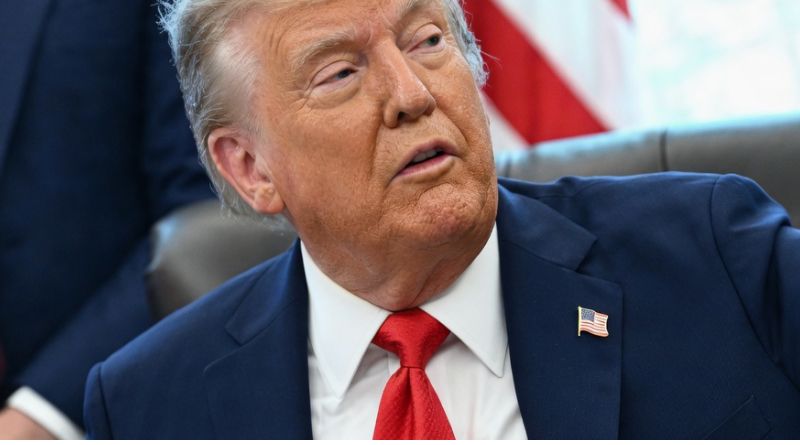
The announcement provides context for recent public observations, where images and videos showed Trump moving more deliberately at events, along with noticeable leg swelling. These visuals had sparked online speculation about his health. The White House clarified that the changes align with this common vascular condition rather than any acute problem.
Despite the diagnosis, Trump has maintained an active public schedule amid a high-stakes political period, including frequent appearances and travel.
Public Reaction and Ongoing Management
The news generated significant attention across social media, with supporters expressing concern and encouragement through trending hashtags such as #TrumpStrong. Many used the moment to learn more about venous health in older adults.
Medical experts note that CVI management typically involves lifestyle measures to improve circulation—such as leg elevation, compression therapy, regular movement, and weight management—along with consistent monitoring. In Trump’s case, officials have assured the public that his care plan is in place and effective.
The timing of the disclosure during a busy election-related season has prompted broader conversations about transparency in leadership and the realities of aging in public office. Leaders at all levels face health challenges, and clear communication helps sustain public trust.
The White House indicated that the president’s condition will continue to be monitored closely, with updates provided as needed. For now, the focus remains on effective management while Trump carries out his duties.