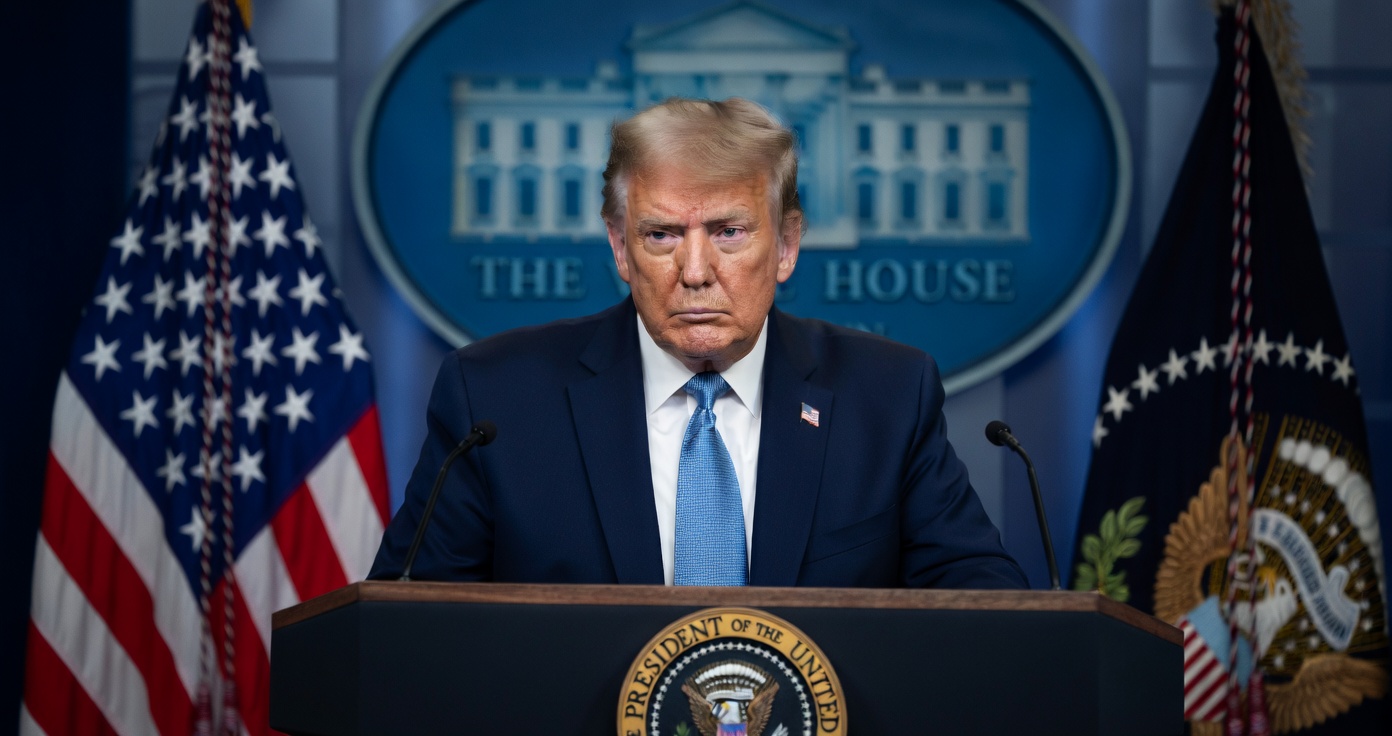
President Donald Trump sharply criticized CNN on Tuesday night after the network reported on an Iranian statement claiming victory in the ongoing conflict with the United States and outlining a 10-point cease-fire proposal. Trump dismissed the statement as a “fraud,” accusing the cable network of knowingly promoting false information sourced from unreliable outlets.
CNN’s coverage highlighted a declaration from Iran’s Supreme National Security Council, as carried by Iranian state media, asserting that Tehran had achieved a “great victory” and forced the U.S. to accept its terms. According to the report, the proposal included the U.S. lifting all sanctions on Iran, withdrawing American forces from regional bases, accepting Iran’s nuclear enrichment program, and coordinating controlled passage through the Strait of Hormuz with Iranian military involvement.
Trump responded forcefully on his Truth Social platform, labeling the CNN report misleading. “The alleged Statement put out by CNN World News is a FRAUD, as CNN well knows,” he wrote. He claimed the statement originated from a “Fake News site (from Nigeria)” rather than official Iranian channels and was quickly amplified by the network as legitimate news. Trump posted what he described as the authentic Iranian statement and called for an investigation into whether a crime had been committed or if it involved a “sick rogue player.” He demanded that CNN immediately retract the story and issue a full apology for what he called its “terrible ‘reporting.’”
In a follow-up post, Trump reiterated his criticism: “No one can believe that Fake News CNN put out a knowingly false and dangerous statement pretending it came from the upper levels of the Iranian Government. It didn’t! It was totally made up.” He suggested the reporting could inflame a delicate diplomatic situation. CNN has defended its coverage, stating the statement was obtained from Iranian officials and appeared in multiple state media outlets.
The dispute erupted shortly after Trump announced a two-week cease-fire in the U.S.-Iran conflict, delaying threatened strikes on Iranian infrastructure. The pause came after Iran reportedly agreed to allow safe passage for oil tankers through the Strait of Hormuz, a critical waterway for global energy supplies. Trump described Iran’s move as a “tribute” to the United States amid ongoing negotiations.
Vice President JD Vance addressed the situation while speaking alongside Hungarian Prime Minister Viktor Orbán in Budapest. With a deadline looming for Iran to respond before potential U.S. action against its power grid and other targets, Vance expressed confidence in receiving a reply by 8 p.m. that evening.
“We feel confident that we can get a response… I hope they make the right response because what we really want is a world where oil and gas is flowing freely,” Vance said. He warned that Iranian “acts of economic terrorism” would not be tolerated, noting that the U.S. has additional tools available if Tehran fails to change course.
The episode underscores persistent tensions between the Trump administration and major media outlets, particularly over coverage of sensitive national security matters involving Iran. While a provisional cease-fire is now in place to facilitate further talks, differences remain over key issues such as sanctions, nuclear capabilities, and control of the Strait of Hormuz. Trump has indicated that Iran’s 10-point proposal could serve as a starting point for negotiations, though the White House has pushed back against Tehran’s characterization of the terms.