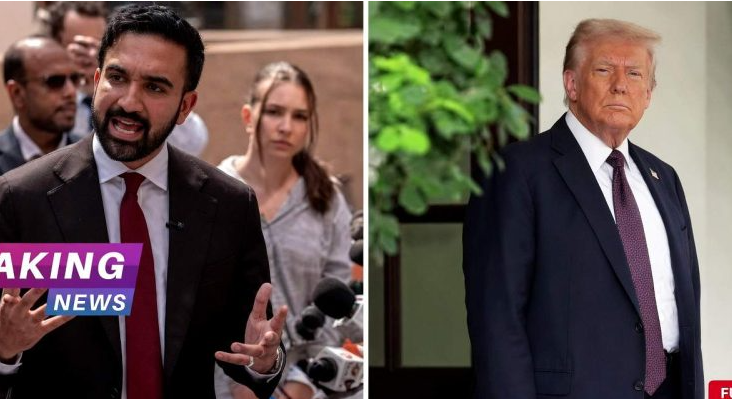
The Jeffrey Epstein scandal has intensified political tensions in Washington, with fresh disclosures from released documents sparking accusations of hypocrisy and poor judgment across party lines. A key flashpoint involves House Minority Leader Hakeem Jeffries (D-N.Y.) and a 2013 fundraising email uncovered by House Oversight Committee Chairman James Comer (R-Ky.).
In November 2025, Comer highlighted the email during a House floor speech as part of broader Epstein estate document releases—over 30,000 pages subpoenaed by the committee. The May 7, 2013, message came from Lisa Rossi of the consulting firm Dynamic SRG, which had worked with Jeffries’ operation. It promoted the then-freshman congressman as “one of the rising stars of the New York delegation, sometimes referred to as ‘Brooklyn’s Barack.'” The email invited Epstein to a DCCC/DSCC fundraising dinner featuring President Barack Obama and encouraged contact “to get involved with the dinner, or would like to get an opportunity to get to know Hakeem better.”
This outreach occurred five years after Epstein’s 2008 Florida conviction for soliciting prostitution from a minor. No public evidence shows that Epstein donated to Jeffries, attended any event, or had direct personal contact with him. Federal Election Commission records indicate no such contribution from Epstein to Jeffries or related committees in that period. Jeffries has stated he has “no recollection” of the email or ever meeting Epstein, and he has denied any relationship or financial ties.
Comer framed the email as Jeffries’ campaign “soliciting campaign cash” from a convicted sex offender, accusing Jeffries of lying when he denied knowledge of it. In response, Jeffries called Comer a “stone cold liar” and a “malignant clown,” rejecting the characterization that he personally sought funds or dined with Epstein. The exchange fueled partisan clashes, with Republicans portraying it as evidence of Democratic entanglements and Democrats accusing Comer of exaggeration for political gain.
Broader Context of the Epstein Files
The controversy unfolded amid the Epstein Files Transparency Act, signed into law by President Donald Trump in November 2025 after strong bipartisan passage. The legislation mandated the Department of Justice to release unclassified records related to Epstein’s investigation and prosecution. Subsequent document batches from the Epstein estate and prior probes have surfaced names from various elite circles—politicians, donors, academics, and business figures—spanning both parties.
Trump has maintained that he distanced himself from Epstein years earlier, barring him from Mar-a-Lago after learning of his misconduct. Historical records show earlier social overlaps between the two, but no new criminal implications for Trump have emerged from the latest releases. Mentions of Democrats, including past associations with figures like Bill Clinton, have also drawn scrutiny. Critics on both sides have accused opponents of selective outrage, demanding full transparency while downplaying inconvenient details.
Accusations of Hypocrisy
Democrats had long pushed for greater disclosure of Epstein materials, often linking them to Trump in public messaging. The releases, however, have complicated that narrative by highlighting post-conviction outreach attempts from Democratic fundraising networks. Examples include defenses of other members, such as Rep. Stacey Plaskett, and missteps like Rep. Jasmine Crockett’s initial claims about Republican ties that she later attributed to a quick online search.
The core issue raised by the Jeffries email is one of judgment: soliciting or facilitating contact with Epstein after his conviction raises questions about vetting wealthy donors. Yet, such practices reflect a broader Washington reality where political operatives court influential financiers regardless of past scandals—until public backlash hits.
Republicans, led by Comer, argue their subpoenas and releases advance justice for Epstein’s victims rather than partisan attacks. They contrast this with what they call Democratic reluctance when documents implicate their side. Democrats counter that the focus should remain on accountability for the crimes, not political score-settling, and have criticized aspects of the DOJ’s implementation of the transparency law as falling short.
The Need for Transparency
Ultimately, the Epstein saga underscores the dangers of elite influence networks and the importance of consistent standards. Full, careful transparency—protecting victim identities while exposing relevant communications—serves the public interest. Politicians from all parties who had any post-conviction interactions with Epstein should address them directly rather than through deflection or name-calling.
As more documents surface, the story continues to evolve. The 2013 email is a documented example of reckless outreach, but it does not equate to participation in Epstein’s criminal acts. The scandal serves as a reminder that accountability should not be selective. Victims deserve thorough investigation, and the public deserves clarity beyond partisan spin. Moving forward, stronger guardrails on donor vetting could help prevent similar embarrassments—or worse—in the future.