Shock rippled across social media on Saturday after alarming claims began circulating that former U.S. President Donald Trump had been “shot again” in Washington, D.C. Dramatic posts using urgent wording spread rapidly across platforms like X, Facebook, and TikTok, sparking widespread panic, speculation, and a flood of emotional reactions from both supporters and critics. Many users shared the claims with captions urging others to “pray for Trump” or demanding immediate answers from authorities.
Within hours, however, it became clear that the viral story was unfounded. No credible news organization, law enforcement agency, Secret Service statement, or hospital report has confirmed any new attack on Donald Trump in Washington, D.C., or anywhere else. Major U.S. and international media outlets, which typically break and verify incidents of this scale within minutes, remained silent on the matter. Federal authorities also issued no alerts or updates regarding any such emergency—a strong indicator that the claims lacked any basis in reality.
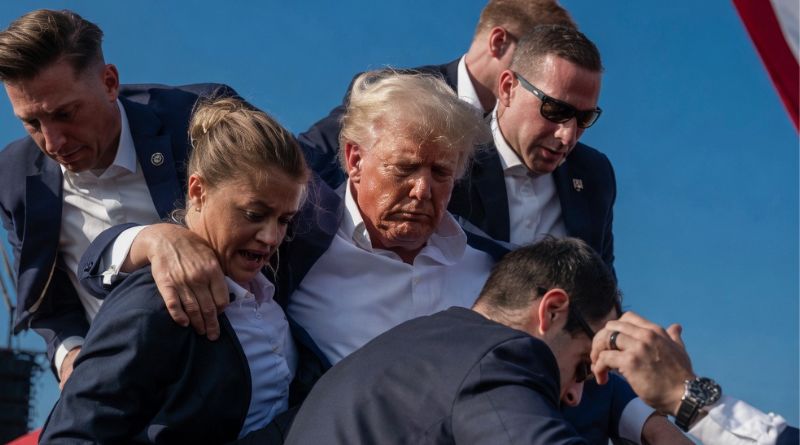
The confusion appears to have originated from recycled footage and misleading captions. Several viral posts featured old video clips from the well-documented 2024 assassination attempt, paired with fresh, sensational text suggesting a new incident. Others came from unverified accounts and private groups known for sharing click-driven content designed to generate fear, outrage, and engagement rather than deliver accurate information. In today’s fast-paced digital landscape, where misinformation can reach millions before facts catch up, such false alarms have become disturbingly common.
It is crucial to distinguish this rumor from the real and extensively documented assassination attempt that occurred on July 13, 2024, at a campaign rally in Butler, Pennsylvania. During that event, a gunman opened fire, grazing Trump’s right ear with a bullet. One spectator was killed, and two others were critically injured. Trump was quickly shielded by Secret Service agents and later described the experience in vivid detail, calling his survival a miracle. The incident prompted sweeping changes to his security detail, federal investigations, and ongoing public discussion about political violence.
Since the 2024 attempt, there have been reports of heightened security protocols around the former—and now current—president, along with occasional foiled threats. However, no confirmed shooting incident matching today’s viral claims has taken place. Recent news coverage on April 11, 2026, focused instead on other political developments, with no mention of any attack on Trump.
Security experts and misinformation researchers warn that false reports like these carry real-world consequences. They can trigger unnecessary panic among the public, overwhelm emergency hotlines with concerned calls, distract law enforcement resources, and further erode trust in legitimate journalism. In polarized times, especially around high-profile political figures, sensational headlines are often crafted specifically to provoke strong emotional responses and encourage rapid sharing before verification.
Political analysts point out that Trump remains a frequent target for online misinformation campaigns. Whether motivated by clicks, ideological division, or simple trolling, these stories exploit the public’s heightened sensitivity to violence against prominent leaders. The speed of social media amplifies the problem: a single dramatic post can gain traction long before official channels respond.
For now, all available verified information confirms that Donald Trump has not been shot again in Washington, D.C., or elsewhere. He continues his regular activities without any reported incidents of this nature. Officials and media outlets urge the public to rely solely on trusted news sources and confirmed government statements when it comes to matters of national security or public safety.
This episode serves as a timely reminder of the challenges we face in the information age. Not every post labeled “breaking news” online is factual. In an environment where unverified claims can spread faster than official confirmations, caution, cross-checking with multiple reputable outlets, and a moment of patience remain the most effective defenses against panic and deception. Verifying before sharing helps protect both individuals and the broader public discourse from unnecessary harm.