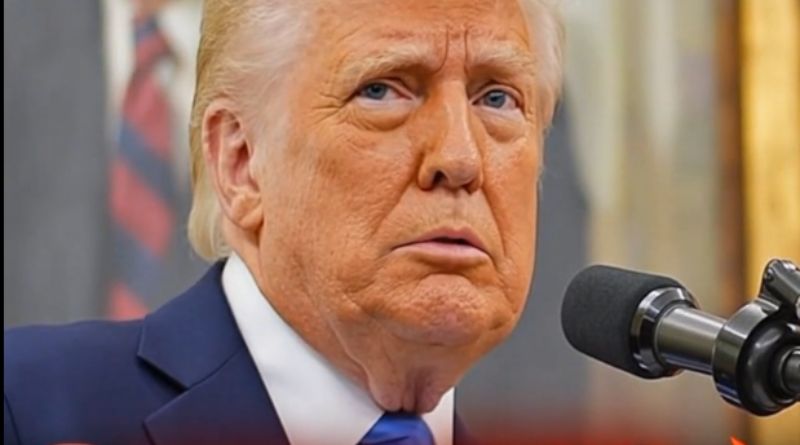
During a recent White House press interaction amid escalating tensions with Iran, President Donald Trump drew widespread attention by addressing reporters with unusually blunt and direct language. The exchange, which occurred as the U.S. pressed for the reopening of the Strait of Hormuz following military operations, stood out for its raw candor. Trump did not soften his words or rely on diplomatic euphemisms. Instead, he echoed and expanded on his earlier profanity-laced Truth Social post that demanded Iran open the vital shipping lane or face devastating consequences, including strikes on power plants and bridges.
The moment quickly went viral as video clips spread across social media platforms. In one notable exchange during a press conference tied to the Easter Egg Roll and subsequent briefings, Trump fielded questions about his aggressive rhetoric while outlining U.S. military options. He described detailed plans for rapid infrastructure destruction if demands were unmet, emphasizing American strength without hesitation. Observers noted that the remarks felt unfiltered in a way rarely seen from modern presidents, voicing frustrations and threats that are typically conveyed through carefully worded statements or anonymous sources.
Supporters hailed the approach as authentic leadership. They argued that in a high-stakes conflict involving oil shipments, regional stability, and national security, Trump’s willingness to speak plainly signals resolve and deters adversaries. For many in his base, this style cuts through bureaucratic caution and projects the kind of maximum pressure that defined his first-term foreign policy. They view it as refreshing honesty in an era dominated by scripted messaging and media spin.
Critics, however, contended that the language—marked by expletives in social posts and sharp rebukes to reporters—revealed a concerning tone that risks escalation. Some analysts and opposition voices suggested it normalizes inflammatory rhetoric, potentially complicating ceasefire efforts or international alliances. They pointed to the contrast between Trump’s directness and traditional presidential restraint, arguing it could embolden hardliners or alarm global partners. The divide fueled intense online debate, with commentators dissecting every word, pause, and gesture for signs of strategy or impulsiveness.
Political experts observed that such unscripted moments thrive in today’s media environment precisely because they defy the heavy management common in politics. In the context of the ongoing Iran situation, where negotiations for a ceasefire remain fragile, Trump’s bluntness can rally domestic support by projecting strength while simultaneously intensifying partisan opposition. It energizes those who prioritize results over decorum but carries risks for broader public perception and diplomatic leverage.
Ultimately, the episode underscores a deeper tension in American politics: the clash between authenticity and institutional norms. Whether viewed as bold clarity or reckless candor, Trump’s direct style continues to dominate news cycles, forcing both allies and adversaries to confront the substance behind the delivery. As talks progress, these moments may prove pivotal in shaping outcomes far beyond the headlines.