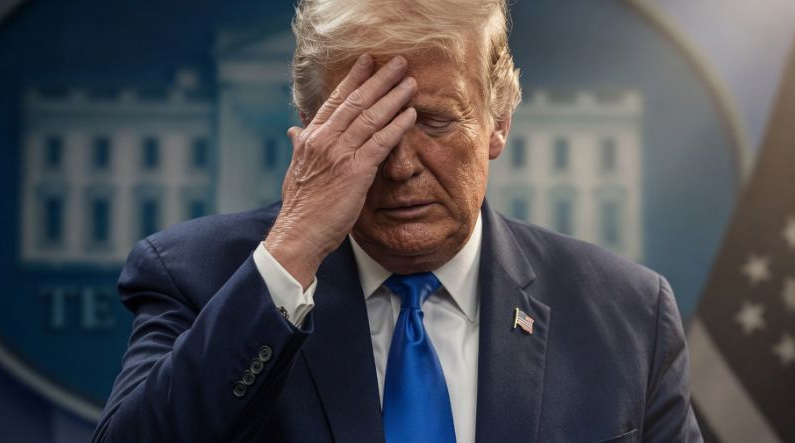
Prosecutors, led by Special Counsel Jack Smith, filed a high-profile federal indictment against former President Donald Trump in August 2023, accusing him of orchestrating a multi-part effort to challenge the 2020 presidential election results and disrupt the certification of Joe Biden’s victory. The charges centered on allegations that Trump and his allies pursued a coordinated strategy involving alternate slates of electors, pressure on state officials, public claims of widespread fraud, and attempts to involve the Justice Department in questioning the outcome. The indictment included four felony counts: conspiracy to defraud the United States, conspiracy to obstruct an official proceeding, obstruction of an official proceeding, and conspiracy against rights.
Prosecutors portrayed these actions as crossing from protected political activity into criminal conduct aimed at undermining the lawful transfer of power on January 6, 2021. They argued the efforts went beyond mere rhetoric and constituted deliberate interference with federal processes. The case quickly became a flashpoint in American politics, testing fundamental questions about presidential authority, the boundaries of official acts, and the protection of political speech under the First Amendment.
Trump’s defense team forcefully rejected the allegations, describing the prosecution as politically motivated lawfare designed to hinder his 2024 presidential campaign. They maintained that Trump’s statements and actions represented legitimate advocacy for election integrity, protected speech, and exercises of presidential authority. Following the Supreme Court’s July 2024 decision in Trump v. United States, which established absolute immunity for core constitutional powers and presumptive immunity for official acts, the scope of the charges was significantly narrowed.
After Trump won the 2024 election, the Department of Justice moved to dismiss the case, citing longstanding policy against prosecuting a sitting president. U.S. District Judge Tanya Chutkan granted the dismissal without prejudice in November 2024. Special Counsel Smith’s final report maintained that the evidence could have supported conviction, but the criminal proceedings effectively ended. Trump has consistently called the case—and similar legal actions against him—an abuse of the justice system.
The episode underscored deep national divisions. Supporters of the prosecution viewed it as necessary accountability for alleged attempts to subvert democratic norms. Critics warned that such cases risk criminalizing vigorous political disputes and setting precedents that could chill legitimate challenges to election procedures in future contests. While no trial occurred and no jury verdict was reached, the legal battle influenced broader debates over immunity, election law, and institutional trust.
This landmark case, though dismissed, continues to shape discussions about the limits of presidential power and the handling of contested elections in the United States. Its legacy will likely inform how future administrations and candidates navigate similar disputes.