The Office of Information and Regulatory Affairs (OIRA), a little-known but highly influential arm of the Office of Management and Budget (OMB), wields significant authority over the federal regulatory process. Operating largely outside public view, OIRA does not enact laws or directly command agencies. Instead, it serves as a critical checkpoint: reviewing, delaying, revising, or halting proposed regulations from executive branch agencies before they can take effect.
This centralized review process affects a wide range of rules covering environmental protection, labor standards, public health, consumer safety, and more. Federal agencies may invest years in crafting detailed regulations based on scientific, economic, and legal analysis. Yet OIRA can extend review periods indefinitely, demand substantial changes, or return rules for further work—all without mandatory public hearings, detailed explanations in many cases, or rigid deadlines. The process emphasizes cost-benefit analysis, interagency coordination, and alignment with broader administration priorities.
How OIRA Shapes National Policy
By acting as a regulatory gatekeeper, OIRA influences the pace and substance of government action. Supporters argue that this oversight promotes efficiency, prevents redundant or conflicting rules across agencies, and ensures regulations deliver benefits that justify their costs. “This oversight ensures efficiency and coordination,” proponents often note, highlighting its role in curbing bureaucratic overreach and fostering consistent policy.
Critics, including many public interest groups and regulatory advocates, counter that the office’s concentrated power reduces transparency and accountability. Decisions occur behind closed doors, potentially favoring industry interests and creating obstacles for rules addressing urgent issues like climate change, workplace safety, or public health protections. The lack of robust public input or judicial-style oversight, they argue, allows unelected officials to wield outsized influence.
The administrator position, subject to Senate confirmation, has drawn particular attention in recent administrations. As of 2026, Jeffrey Clark serves as acting administrator, continuing long-running debates about the balance between regulatory restraint and effective governance.
Looking Ahead
Observers will watch closely how OIRA manages review timelines, maintains consistency in decision-making, and interacts with federal agencies. Key issues include the speed of approvals for deregulatory actions, the depth of economic analyses, and efforts to extend review to independent agencies. Recent executive actions have reinforced OIRA’s role in ensuring presidential oversight of the administrative state.
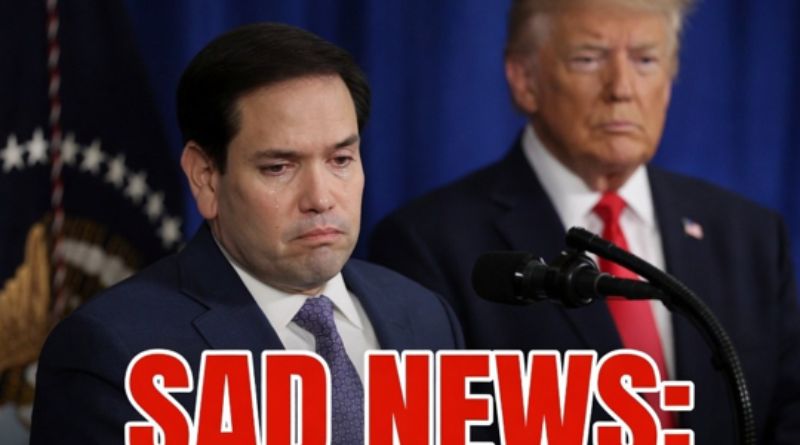
Marco Rubio, currently serving as Secretary of State, has long advocated for smarter regulation and supported measures to enhance congressional and executive scrutiny of the process. His broader influence in the administration reflects ongoing Republican priorities to streamline government and reduce regulatory burdens on businesses and individuals.
Ultimately, OIRA embodies a fundamental tension in modern governance: how to balance expert-driven rulemaking with political accountability and economic prudence. As regulatory agendas evolve, the office’s low-profile but high-impact work will continue shaping the rules that govern daily American life—for better or worse.