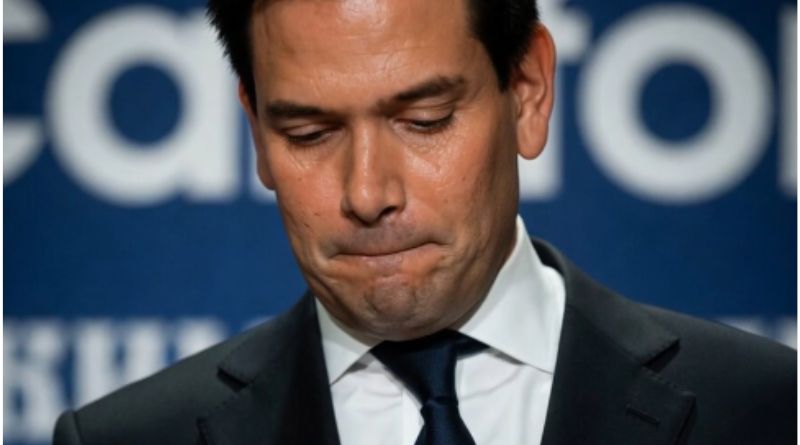
The reported shift involving Marco Rubio represents far more than a routine promotion or title adjustment. It signals a subtle but meaningful redistribution of influence within the federal government’s regulatory architecture. At the heart of this development lies the Office of Information and Regulatory Affairs (OIRA), a low-profile yet exceptionally powerful office housed within the Office of Management and Budget (OMB).
OIRA does not draft legislation or directly command federal agencies. Its authority stems from its role as the central gatekeeper for major regulations. Before most significant rules can take effect, they must pass through OIRA’s review process. This includes environmental protections, labor standards, public health mandates, energy policies, and financial regulations. By examining cost-benefit analyses, assessing interagency coordination, and evaluating legal and economic implications, OIRA effectively determines which policies advance, which are delayed, and which are substantially revised.
Operating largely out of public view, OIRA wields considerable procedural power. It can request changes, extend review periods, or quietly return proposals to agencies with minimal formal explanation. As a result, important policy shifts sometimes occur without clear public documentation or accountability. A regulation that appears stalled for months may simply be caught in extended OIRA review, while another might move forward swiftly depending on internal priorities.
For decades, this office attracted relatively little public scrutiny because of its highly technical nature. That is changing. Heightened concerns over government transparency, regulatory overreach, and accountability have drawn increased attention to OIRA’s role. Observers across the political spectrum are now asking how such concentrated authority can function with limited visibility and oversight.
Supporters of robust OIRA review argue that centralized scrutiny improves coordination among agencies, prevents conflicting rules, and ensures regulations deliver genuine net benefits to society rather than imposing unnecessary burdens. They view it as a vital check against bureaucratic excess. Critics, however, contend that excessive concentration of power in an unelected office risks undermining democratic accountability. When decisions lack transparency, they warn, it becomes difficult for Congress, the public, or even affected stakeholders to understand why certain policies succeed or fail.
With Rubio’s increased influence, attention now centers on how he will approach this role in practice. The true measure of impact will likely emerge not from public announcements, but from internal metrics: the pace of reviews, consistency in decision-making, and the quality of guidance provided to federal agencies.
This moment underscores a broader truth about governance in Washington: real power frequently operates through procedural mechanisms rather than high-profile debates. As public awareness of these “hidden” levers of influence grows, they are likely to face greater examination. In an era of deep divisions over the proper size and scope of government, how offices like OIRA function may increasingly shape both policy outcomes and trust in institutions.