In a significant move reflecting Europe’s deepening security concerns amid the ongoing war in Ukraine, representatives from 13 countries have come together to establish what officials are calling an “anti-ballistic coalition.” The initiative, announced following a high-level meeting in Kyiv on May 12, 2026, aims to coordinate the development and production of advanced missile defense systems across the continent.
The gathering, attended by national security advisers from 13 European partner nations along with Ukrainian officials and a representative from NATO Secretary General Mark Rutte’s office, focused on practical steps to reduce Europe’s heavy dependence on non-European suppliers for critical air and missile defense capabilities. Ukrainian President Volodymyr Zelenskyy described the meeting as a key step forward in building a more self-reliant European defense industrial base.
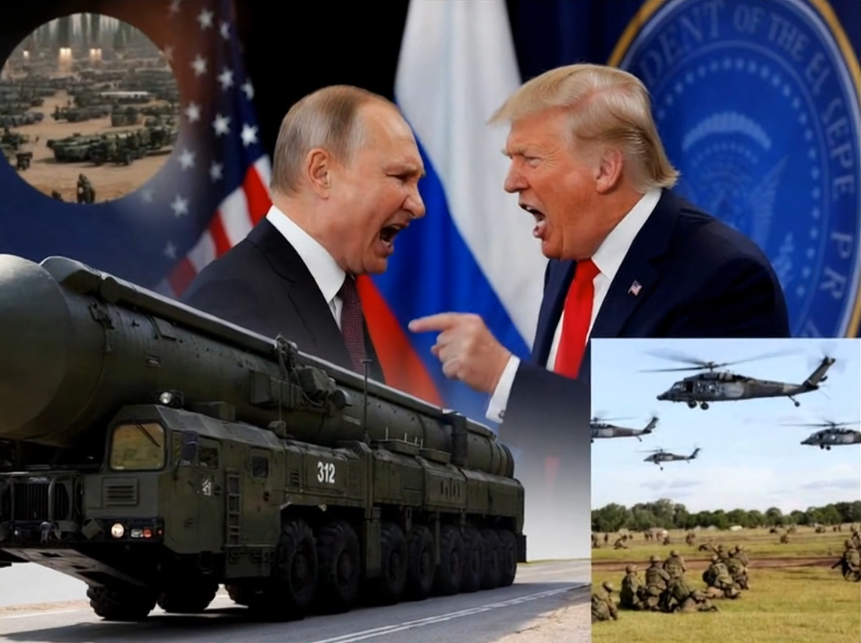
Images circulating from the event showed senior political figures alongside displays of defensive military hardware, including elements of missile transport and launch systems. While the visuals have drawn attention for their symbolic weight, Ukrainian and European officials have emphasized that the coalition is strictly defensive in nature. The effort centers on accelerating joint production of interceptors and related technologies designed to counter ballistic and cruise missile threats.
Military analysts note that the presence of such systems during the high-level discussions serves as a clear signal of resolve. “This isn’t about saber-rattling,” said one European defense expert. “It’s about closing critical capability gaps exposed by Russia’s sustained missile and drone campaigns against Ukraine. Europe has learned that strategic autonomy in air defense is no longer optional.”
The coalition emerges against a backdrop of heightened geopolitical tensions. Russia’s invasion of Ukraine has demonstrated the devastating effectiveness of massed missile strikes, overwhelming legacy air defense networks and exposing vulnerabilities in European stockpiles. Many NATO members currently rely heavily on U.S.-made systems such as the Patriot missile defense platform. The new initiative seeks to change that by fostering collaborative manufacturing programs, standardizing components, and scaling up production capacity within Europe.
Key priorities include developing next-generation interceptors capable of handling hypersonic and ballistic threats, improving sensor networks, and creating more resilient command-and-control architectures. Officials have not detailed specific weapon systems or timelines, but sources indicate early discussions have involved partners from the existing European Sky Shield Initiative and other bilateral programs.
The announcement has triggered measured responses from world capitals. Western allies have welcomed the move as a necessary strengthening of deterrence, while some diplomats express concern about further militarization of the region. Emergency consultations have taken place at NATO headquarters and within the European Union to align the coalition’s work with broader alliance strategies. Russia has predictably criticized the development, framing it as evidence of NATO’s aggressive posture.
Global markets reacted with modest volatility in the days following the announcement, with defense stocks seeing gains while broader indices showed caution. Energy prices also fluctuated amid fears of prolonged conflict in Eastern Europe. However, major financial institutions have so far described the development as an incremental rather than revolutionary shift in the security landscape.
For Ukraine, the coalition represents more than technical cooperation. It signals growing European commitment to long-term support as the war enters its fourth year. President Zelenskyy has repeatedly stressed that robust air defenses are essential not only for military success but for protecting civilian infrastructure and enabling economic recovery.
International observers urge restraint and continued diplomatic engagement. “Deterrence through defense is legitimate and necessary,” noted a senior analyst at a Washington-based think tank. “But it must be paired with active efforts to find political solutions. Miscalculation remains the greatest risk in such a fragile environment.”
As the coalition begins its work, questions linger about its ultimate scope and effectiveness. Can Europe successfully scale up complex missile defense production in a timely manner? Will this effort draw in additional partners or remain limited to the current thirteen nations? And how will potential adversaries respond to this coordinated push for defensive autonomy?
What is clear is that Europe is entering a new phase of strategic thinking. The Kyiv meeting may prove to be an important milestone in shifting from reactive support to proactive, integrated defense planning. In an era of great power competition and persistent regional threats, the continent is signaling that it intends to play a more self-sufficient role in safeguarding its security future.