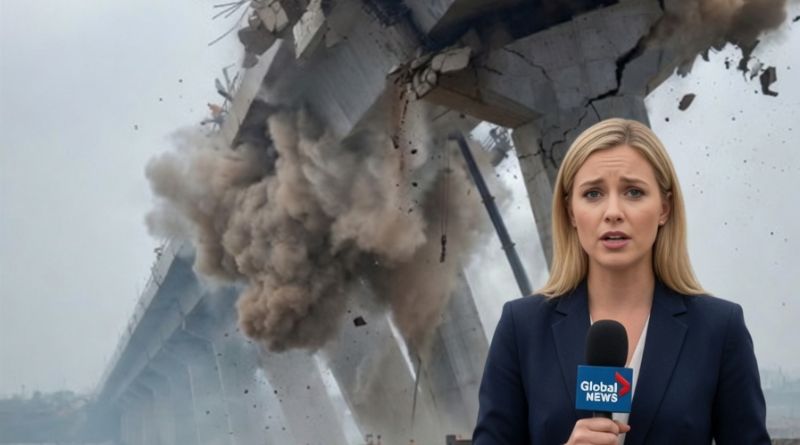
A powerful 7.7-magnitude earthquake rattled large sections of Asia early Monday morning, sending shockwaves of fear through Myanmar, northern Thailand, and southern China. The tremor struck while many residents were still asleep, complicating immediate responses from both civilians and emergency services. According to initial seismic reports, the epicenter was located in a remote mountainous area near the China-Myanmar border. Its shallow depth amplified the intensity of the shaking, causing widespread alarm across densely populated and rural communities alike.
The quake inflicted notable damage on homes, roads, bridges, and critical public infrastructure. In several towns and villages, collapsed buildings and cracked walls left families displaced and vulnerable. Emergency responders mobilized quickly despite difficult terrain, blocked roads, and aftershocks that continued to unsettle the region. Teams worked through the night to search for survivors, clear debris, and provide urgent medical aid to the injured. Hospitals in affected areas reported treating numerous cases ranging from minor cuts to more serious trauma caused by falling objects and structural failures.
Local authorities have urged residents to remain vigilant, avoid entering damaged structures, and heed official safety instructions. In many places, people gathered in open spaces, fearing further collapses. The event highlights the heightened risks in regions where older buildings and infrastructure were not built to modern earthquake-resistant standards. Strong quakes like this can affect areas hundreds of kilometers away, as tremors were felt far beyond the epicenter.
Communities, international aid organizations, and government response teams are now coordinating large-scale relief efforts. Supplies including food, water, blankets, and temporary shelter materials are being distributed to those in need. Assessments of the full extent of destruction are ongoing, with challenges posed by disrupted communication lines and rugged landscapes slowing progress in some remote zones.
This disaster serves as a sobering reminder of the region’s seismic vulnerability, situated along active tectonic boundaries. Experts emphasize the importance of preparedness, stricter building codes, and public education on earthquake safety to mitigate future risks. As recovery operations continue, updates on casualties, damage estimates, and humanitarian needs are expected in the coming days. Support from neighboring countries and global partners will be crucial in helping affected populations rebuild their lives and restore stability to the region.