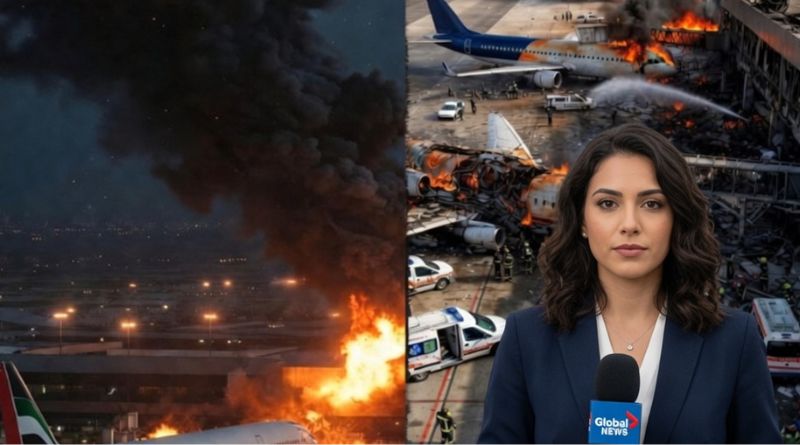
In a sharp escalation of the ongoing Middle East conflict, Iran fired a barrage of ballistic missiles toward Tel Aviv on Monday, with several reportedly equipped with cluster warheads. Iranian state media described the assault as direct retaliation for the recent assassination of a senior Iranian security official, which Tehran attributes to Israeli forces. Explosions lit up the skies over central Israel, causing significant damage to infrastructure and tragically claiming the lives of at least two civilians, according to Israeli authorities.
Cluster munitions, which release dozens of smaller submunitions across a broad area, are designed to maximize damage over populated or military zones. However, they raise serious humanitarian concerns due to the high risk of unexploded ordnance that can endanger civilians long after the initial strike.
This latest attack forms part of a dangerous cycle of violence that has intensified since early 2026. Iran has conducted multiple missile and drone operations targeting Israeli population centers, U.S. military bases, and facilities belonging to Gulf allies, including Kuwait, Bahrain, the United Arab Emirates, and Saudi Arabia. These strikes followed a string of high-profile assassinations of Iranian military and nuclear figures, prompting vows of revenge from Tehran.
In response, Israel and the United States have carried out airstrikes deep inside Iran, hitting military installations and nuclear-related sites. The diverging priorities between Washington and Jerusalem have become increasingly apparent, complicating coordinated efforts.
Israel’s advanced missile defense network—including the Iron Dome, Arrow-3, and David’s Sling systems—successfully intercepted a large portion of the incoming projectiles. Nevertheless, the sheer volume of the attacks and the use of cluster warheads have strained these defenses, allowing some munitions to reach their targets and cause casualties and property damage on both sides.
The conflict continues to reverberate globally. Energy markets have experienced sharp price surges following attacks on Gulf oil infrastructure and threats to key shipping routes. International leaders have expressed growing alarm over the potential for wider regional war, yet diplomatic initiatives have so far failed to secure a ceasefire. Both Iran and Israel have signaled their readiness for prolonged military engagement, leaving the region in a state of extreme tension and uncertainty as civilian populations bear the heaviest burden.