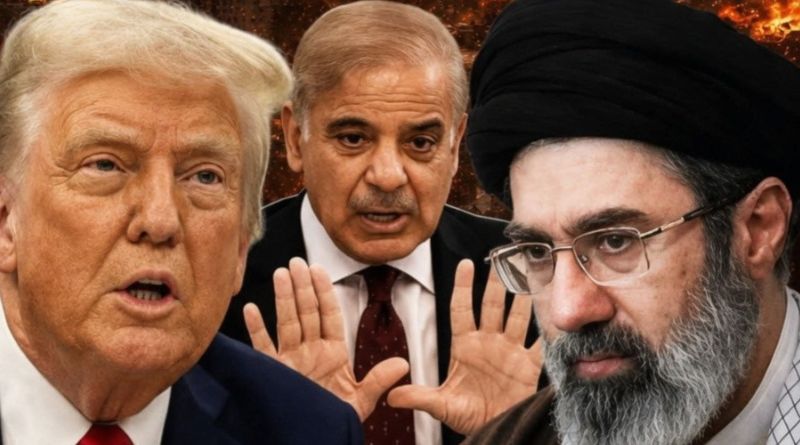
WASHINGTON — The Trump administration is intensifying diplomatic efforts to secure a comprehensive agreement aimed at ending the ongoing conflict with Iran, with President Donald Trump, Vice President JD Vance, Secretary of State Marco Rubio, and other senior officials deeply involved in hammering out the final details.
Speaking during a trip to India, Secretary Rubio underscored a key U.S. demand regarding freedom of navigation in a critical global chokepoint. When asked about recent American strikes on Iran, he reiterated warnings that the Strait of Hormuz must be reopened “one way or the other.” “The straits have to be open, they’re going to be open,” Rubio stated firmly. He described Iran’s current actions in the waterway as “unlawful, illegal, unsustainable for the world, and unacceptable.”
Rubio noted that talks were underway in Qatar on the day of his remarks, expressing cautious optimism. “There were some talks going on in Qatar today, so we’ll see if we can make progress,” he said. He added that negotiations involve extensive back-and-forth discussions over specific language in the initial document, which could take several more days. President Trump, according to Rubio, has made clear his preference for either “a good deal or no deal.”
The diplomatic push comes against the backdrop of continued military tensions. On Monday, U.S. Central Command conducted what it described as “self-defense strikes” in southern Iran to protect American troops from threats posed by Iranian forces. Targets included missile launch sites and Iranian boats attempting to place mines, according to Capt. Tim Hawkins, a CENTCOM spokesperson. The strikes occurred near the Iranian port and navy base at Bandar Abbas.
A senior U.S. military official reported that dozens of American warplanes and nearly two dozen Navy warships — including two aircraft carriers and their escorts — enforcing a blockade against vessels entering or leaving Iranian ports in the Gulf of Oman and Arabian Sea, faced threats from Iranian surface-to-air missiles. Hawkins emphasized that U.S. forces continue to defend themselves while exercising restraint during the cease-fire that took effect approximately six weeks ago. He declined to provide specifics on which ships came under fire or the precise locations of additional strikes.
Iranian officials acknowledged progress in the parallel negotiations. Foreign Ministry spokesman Esmaeil Baqaei stated during a weekly briefing that Tehran and Washington have reached understandings on a large portion of the issues under discussion. However, he cautioned against claims that a final agreement is imminent, accusing Washington of shifting its positions at times.
A top administration official, speaking on Sunday, indicated that the Iranians have agreed in principle to a framework that includes the elimination of highly enriched uranium. In exchange for Iran reopening the Strait of Hormuz and providing strong, verifiable commitments to limit nuclear enrichment activities, the United States would lift its blockade of the waterway and ease certain sanctions. The official noted that most parties agree on the basic concepts, and the administration is pleased with the trajectory of the talks, particularly as Iran appears more open to compromise following recent military operations.
President Trump has publicly criticized the Obama administration’s 2015 nuclear deal with Iran, arguing it provided Tehran with “massive amounts of CASH” and a pathway to a nuclear weapon. He has vowed that any agreement reached under his administration would be “good and proper” and go further than the previous accord by imposing stricter limits on enrichment, with robust enforcement mechanisms. Administration sources emphasized that the duration of any commitments — whether 20 or 30 years — matters less than effective verification and enforcement.
As negotiations continue, the coming days are expected to be pivotal in determining whether a lasting resolution can be achieved. Both sides appear motivated to resolve the conflict, though significant work remains to bridge remaining differences on language and implementation details. The outcome could have far-reaching implications for regional stability, global energy markets, and international security.