President Trump Diagnosed with Chronic Venous Insufficiency, White House Says
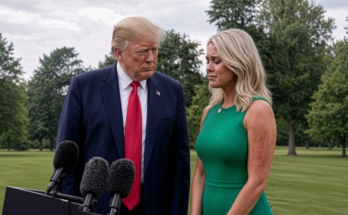
WASHINGTON — The White House announced on July 17, 2025, that President Donald Trump has been diagnosed with chronic venous insufficiency (CVI), a common and generally benign vascular condition that affects blood circulation in the legs. Press Secretary Karoline Leavitt made the disclosure during a briefing, aiming to address public speculation following visible swelling in the president’s lower extremities.
According to a memo from the president’s physician, Dr. Sean P. Barbabella, Trump underwent a comprehensive health evaluation after noticing mild swelling. Diagnostic tests, including bilateral lower extremity venous Doppler ultrasounds, confirmed the presence of CVI. Additional assessments, such as an echocardiogram, were performed to exclude more serious complications like deep vein thrombosis (DVT), arterial disease, or underlying cardiac concerns. Physicians stressed that the condition is not life-threatening and that the president remains in excellent overall health.
Chronic venous insufficiency develops when the valves inside the leg veins weaken or become damaged, impairing the return of blood to the heart. This leads to blood pooling in the lower legs, resulting in edema, discomfort, a feeling of heaviness, and sometimes skin changes. The condition is particularly common among older adults, including those over the age of 70. Trump, who is 79, fits the typical demographic profile for this ailment.
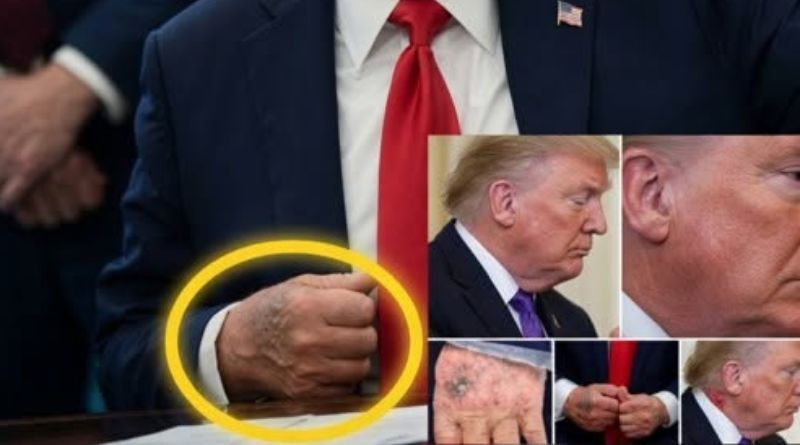
The announcement follows heightened scrutiny after videos and photographs from recent public appearances showed Trump moving more deliberately and displayed noticeable leg swelling. Social media amplified various theories about his physical condition. Leavitt described the medical review as a precautionary step, underscoring that the president’s rigorous schedule of rallies, travel, and campaign events remains unaffected.
Standard management for CVI focuses on symptom relief and preventing progression. Recommended approaches include wearing compression stockings, engaging in regular physical activity, elevating the legs, and maintaining a healthy weight. The White House medical team confirmed that Trump is receiving appropriate care tailored to these guidelines, allowing him to sustain his active role in public life.
Public reaction split along familiar political lines. Supporters rallied with messages of encouragement and hashtags such as #TrumpStrong, viewing the diagnosis as manageable and unrelated to more severe health issues. Critics, meanwhile, seized on the news to question his fitness for office amid a demanding election cycle. Medical professionals have countered that CVI is a routine condition that millions manage effectively without limiting productivity.
By releasing details promptly, the administration highlighted the value of transparency regarding the health of national leaders. Officials described the move as an effort to foster public trust while acknowledging the realities of aging in high-profile positions. Further updates on the president’s health will be provided as necessary, with the focus remaining on balancing specialized medical management and Trump’s full commitment to his presidential responsibilities.