U.S. and Iran Pursue Framework Agreement Amid Ongoing Tensions and Ceasefire Challenges
The geopolitical situation in the Middle East remains tense, characterized by simultaneous diplomatic efforts and military posturing between the United States and Iran. The administration of President Donald Trump is reportedly nearing completion of a framework agreement designed to de-escalate the protracted conflict. This initiative unfolds against the backdrop of a fragile, approximately six-week-old ceasefire that has been repeatedly tested by outbreaks of violence.
Negotiators from both sides, along with mediators, are convening in Qatar to refine details of a potential cessation of hostilities. The White House has emphasized a “good deal or no deal” approach, insisting on comprehensive terms that address core security concerns. International observers express cautious optimism, tempered by awareness of the significant hurdles that remain.
Secretary of State Marco Rubio has been a prominent voice in articulating U.S. priorities. During remarks from India, he underscored the critical need for unrestricted freedom of navigation through the Strait of Hormuz, a chokepoint responsible for roughly 20 percent of the world’s oil shipments. Rubio labeled Iran’s closure of the strait as “unlawful” and detrimental to global commerce. While acknowledging advancements in the Qatar talks, he reaffirmed the administration’s resolve: the United States will not accept an agreement that falls short of rigorous standards, particularly regarding maritime security and regional stability.
On the military front, U.S. Central Command (CENTCOM) continues to project strength. Spokesperson Capt. Tim Hawkins confirmed that “self-defense strikes” were executed on Monday against missile launch sites and naval assets in southern Iran, near the strategic port of Bandar Abbas. These operations responded to Iranian actions perceived as threats to American vessels and personnel, including the deployment of naval mines. A substantial U.S. naval presence—comprising nearly two dozen warships and two aircraft carriers—maintains a blockade in the Gulf of Oman and Arabian Sea, resulting in intermittent clashes even as diplomatic discussions proceed.
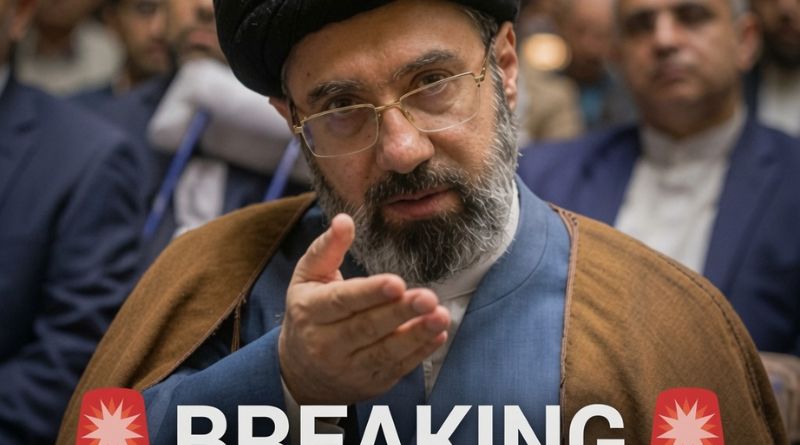
Iranian perspectives highlight mutual distrust. Foreign Ministry spokesman Esmaeil Baqaei noted that while substantial progress has been made on various issues, the United States has been accused of altering its negotiating positions. Central to the emerging deal is a significant exchange: Iran would commit to dismantling its stockpile of highly enriched uranium in return for the lifting of the U.S. naval blockade. This step could provide vital economic relief for Tehran. Additional sanctions relief would depend on Tehran accepting stringent, long-term restrictions on its nuclear enrichment activities and robust verification measures.
President Trump has repeatedly contrasted the current negotiations with the 2015 Joint Comprehensive Plan of Action, which he has criticized as overly permissive. The current focus prioritizes verifiable compliance and enforceable mechanisms over vague assurances. Discussions include the potential duration of any agreement—possibly 20 to 30 years—but sources indicate that enforcement provisions are paramount.
Despite positive momentum, challenges persist. Hardline elements within Iran’s leadership and reservations from key regional partners, notably Israel, could complicate finalization. As parallel tracks of diplomacy and sustained military pressure continue, the coming days are expected to clarify whether a stable resolution can be achieved. The outcome will have far-reaching implications for regional security, global energy markets, and broader international relations.