The encounter between the aging Iranian F-4 Phantom and the modern F-35 highlights how dramatically air combat technology has evolved over the decades. First introduced in the early 1960s, the F-4E Phantom II remains one of the oldest fighter aircraft still in active military use. Although Iran has kept around 60 of these aircraft operational through upgrades, maintenance programs, and reverse-engineered parts, the platform still reflects design concepts from an earlier era of aerial warfare.
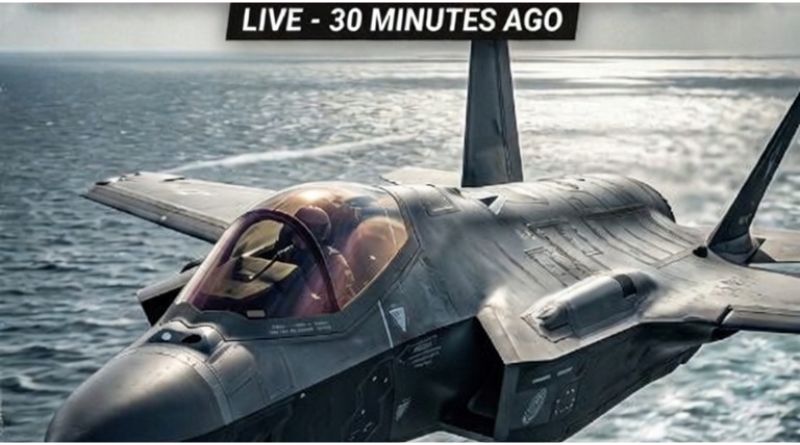
By contrast, the F-35A Lightning II was built for fifth-generation combat, combining stealth, sensor fusion, and advanced targeting systems. Its low radar signature allows it to operate with far less chance of detection, while its onboard electronics provide pilots with a much broader view of the battlefield. A key advantage comes from the F-35’s AN/APG-81 radar, which can detect and track multiple airborne targets at very long distances. Reports indicate the stealth fighter identified a group of Iranian F-4 aircraft from roughly 140 nautical miles away, long before visual contact or direct engagement became possible.
Using low-probability-of-intercept radar, the F-35 pilot—identified by the call sign Corsair 11—was able to monitor all six aircraft without revealing his position. While the Iranian pilots maintained radar silence and relied on navigation support from the ground, the F-35 had already shifted course and prepared for a tactical response while remaining hidden. ✈️⚡