Federal Prosecutors Indict Former President Trump on Election-Related Charges
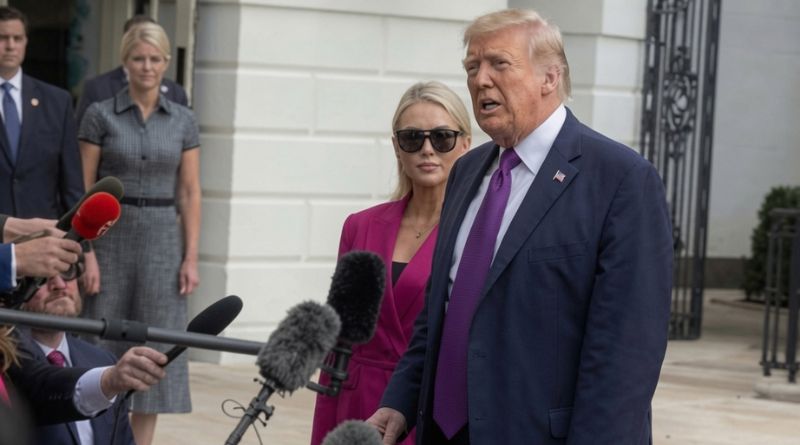
In a landmark development, federal prosecutors on Thursday filed an indictment charging former President Donald Trump with conspiring to defraud the United States, obstructing the official certification of the 2020 presidential election results, and interfering with voters’ constitutional rights.
The four-count indictment, brought by Special Counsel Jack Smith, accuses Trump and several close allies of orchestrating a multi-pronged effort to overturn the election outcome and prevent the peaceful transfer of power to President-elect Joe Biden. Prosecutors allege that the actions extended well beyond typical political speech, encompassing the repeated promotion of unsubstantiated claims of widespread voter fraud, efforts to pressure state election officials to alter results, and the organization of alternate slates of electors in key battleground states.
The charges center on events unfolding between November 2020 and January 6, 2021. This case represents the first time in U.S. history that a former president has faced federal criminal charges for alleged conduct linked to his time in office and its immediate aftermath. The indictment portrays a coordinated strategy that prosecutors say sought to undermine the electoral process and the constitutional framework governing presidential transitions.
The announcement has sharply divided the nation along partisan lines. Advocates for the prosecution view the charges as a vital affirmation of the rule of law, emphasizing that democratic institutions must be protected and that accountability applies equally to all citizens, including former commanders-in-chief. Trump and his supporters, by contrast, have forcefully rejected the case as partisan “lawfare” orchestrated by political opponents to damage his standing and derail his 2024 presidential bid.
As the legal process advances, constitutional scholars and legal analysts are closely watching the proceedings. Key issues expected to shape the trial include the boundaries of protected political speech, the extent of presidential immunity for official acts, questions of intent and evidence, and the proper role of the Justice Department in investigating former presidents. The case is likely to test longstanding norms around executive power and could have lasting implications for public confidence in American elections and democratic governance.
The trial is anticipated to attract unprecedented media attention and public interest as it navigates complex evidentiary and constitutional questions. No trial date has been set, and Trump’s legal team has vowed a vigorous defense.