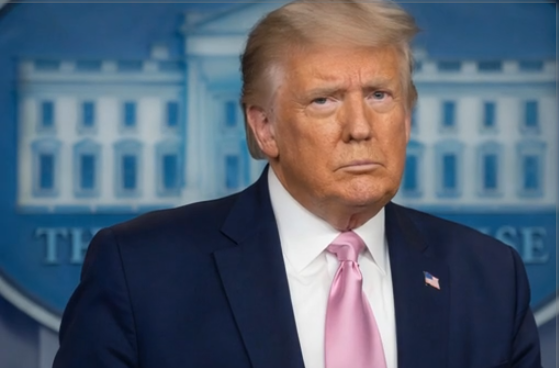
Following an executive order issued by President Donald Trump, the federal government has significantly expanded its direct role in law enforcement within Washington, D.C. The initiative has transformed the nation’s capital into a focal point of intensified policing, with joint task forces, armored vehicles, and ICE operational vans deployed across multiple neighborhoods. Authorities report a rapid decline in crime statistics in the weeks since the intervention began, citing reductions in violent incidents and improved public order in areas long affected by safety challenges.
For many residents, particularly in higher-crime districts, the increased federal presence has brought a tangible sense of relief. Community members have described being able to walk streets or visit local parks without the fear that previously defined daily life. Supporters view the operation as a necessary corrective measure, addressing what they call years of ineffective local governance and unchecked disorder in the District.
However, the enhanced security measures have also imposed notable social and human costs. In diverse neighborhoods, the prominent visibility of federal agents near schools, corner stores, and community centers has generated widespread anxiety and fear. Families report limiting outdoor activities and altering routines to avoid potential encounters, with some describing scenes of unmarked vehicles prompting evasion tactics reminiscent of tense enforcement environments. Local D.C. police officers have expressed operational difficulties, including confusion over the new chain of command and questions about authority during emergency responses.
The federalization of Washington, D.C.—the seat of American democracy—has emerged as a significant stress test for the nation’s core values. While streets may appear quieter, critics argue that security achieved through pervasive surveillance and heightened enforcement risks eroding community trust and civil liberties. The shift underscores ongoing tensions between federal authority and local autonomy in the District, which holds a unique constitutional status without full statehood and remains subject to congressional oversight.
This development has reignited debates about the proper balance between maintaining public safety and preserving democratic norms. Proponents emphasize the rule of law and protection of residents, while opponents warn of overreach and the potential chilling effect on everyday life. As the operation continues, officials have yet to provide detailed timelines for its duration or metrics for assessing long-term success. Residents and policymakers alike are closely monitoring how this experiment in federal control will shape the future of the capital and influence broader national discussions on crime, immigration enforcement, and governance.