Trump Federalizes D.C. Law Enforcement, Delivering Quick Crime Drop but Stirring New Fears
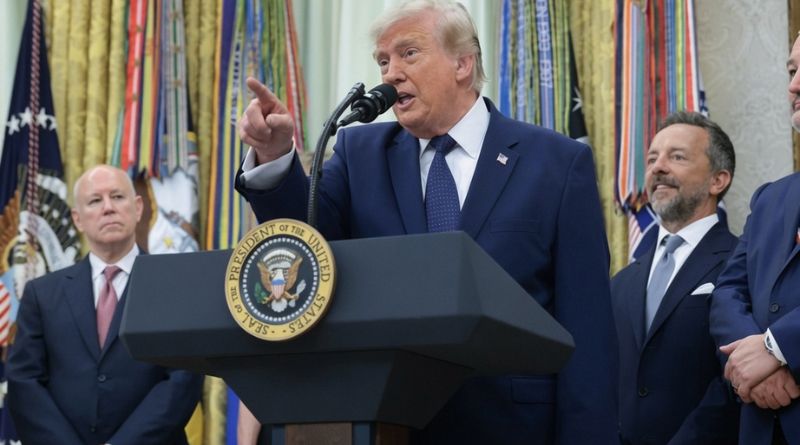
WASHINGTON — With a single executive order and signature, President Donald Trump transformed the atmosphere in Washington, D.C., almost overnight. Federal agents and resources poured into the city, sirens and armored vehicles became more common, and an uneasy new normal settled over neighborhoods.
The move accomplished in days what years of local policies, debates, and pilot programs had not: a noticeable reduction in crime. Preliminary statistics show drops in key offenses, and many longtime residents say they finally feel safer walking home or letting children play outside. Community group chats, once filled with alerts and videos of incidents, have quieted. For these residents, the increased federal presence represents long-overdue action on public safety.
Yet others describe a different reality. Some now live with heightened anxiety, memorizing license plates and planning escape routes. Immigrant families report reluctance to answer doors or interact with authorities, fearing immigration enforcement. Parents coach children on what to do if approached by federal agents near schools or parks. Community advocates highlight growing distrust and isolation in certain neighborhoods.
The changes have also created practical challenges within law enforcement. Local officers have privately noted confusion over authority when federal agencies, specialized task forces, and D.C. police operate simultaneously.
What started as a targeted campaign against crime has broadened into a national debate about balancing security and civil liberties. Supporters argue the federal intervention was essential to restore order in the nation’s capital. Critics counter that safety achieved through fear and uncertainty may undermine trust in public institutions over the long term.
As Washington adapts, the fundamental question lingers: Can a community truly be safe if that security comes at the expense of civil liberties and diminished confidence in government? The debate over the meaning of “law and order” in a democracy is intensifying.