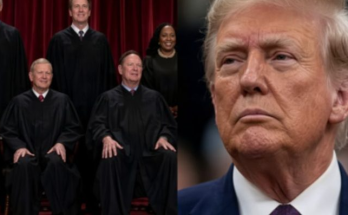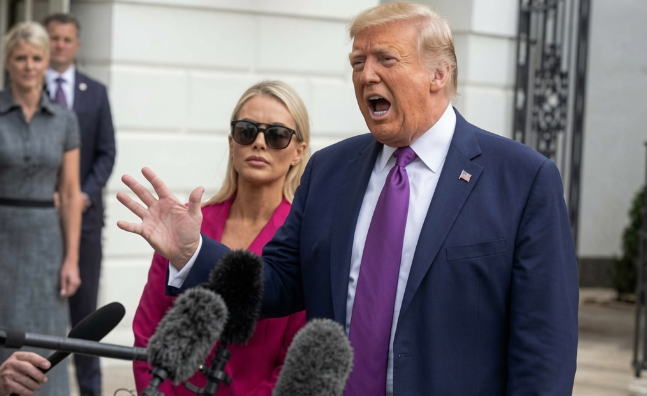
On August 1, 2023, a federal grand jury in Washington, D.C., indicted former President Donald Trump on four felony counts stemming from his efforts to challenge the results of the 2020 presidential election. The charges included conspiracy to defraud the United States, obstruction of an official proceeding and conspiracy to obstruct that proceeding, and conspiracy against rights. Prosecutors alleged that Trump and several associates promoted false claims of widespread election fraud in an attempt to prevent the formal certification of electoral votes by Congress on January 6, 2021.
Although the indictment was unsealed on a Tuesday, Trump’s arraignment took place two days later, on Thursday, August 3. The case marked a significant legal milestone: it was the first federal criminal prosecution of a former president centered on conduct connected to the transfer of presidential power. The alleged actions largely occurred while Trump was still in office, spanning from mid-November 2020 through early January 2021.
Public reaction split sharply along partisan lines. Supporters of the prosecution argued that no one, including a former president, stands above the law and that the charges represented necessary accountability for attempts to subvert the constitutional process. Critics contended that the case was politically motivated, timed to interfere with Trump’s 2024 campaign, and reflected selective enforcement by the Justice Department.
The matter never reached a jury. After the Supreme Court ruled in 2024 that former presidents enjoy immunity for certain official acts, prosecutors issued a superseding indictment. Following Trump’s victory in the November 2024 election, Special Counsel Jack Smith moved to dismiss the case under longstanding Department of Justice policy against prosecuting a sitting president. Judge Tanya Chutkan granted the motion on November 25, 2024, dismissing the charges without prejudice. Smith’s final report later stated that the office believed the evidence would have supported a conviction at trial.
Even without a verdict, the episode left a durable imprint. It intensified national debate over the scope of presidential authority, the limits of legal accountability for high officeholders, and public confidence in democratic institutions and the justice system. Those questions continue to shape American political discourse years later.