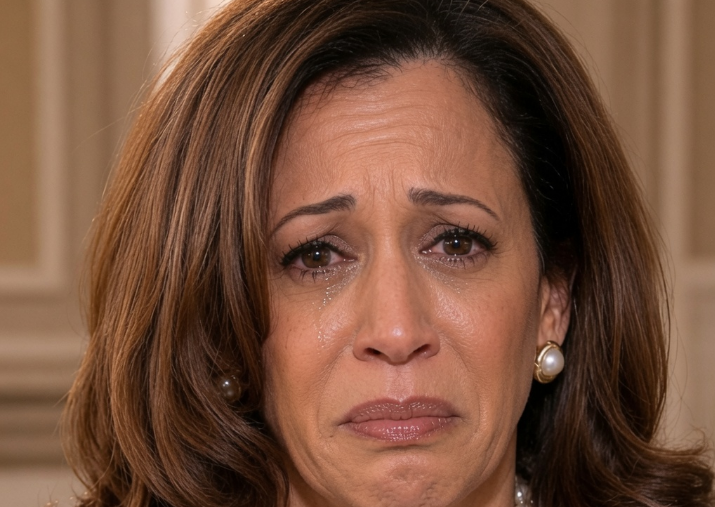
CHICAGO — Vice President Kamala Harris has formally secured the Democratic Party’s presidential nomination, becoming the first woman of color to lead a major-party ticket in American history. The decisive vote at the Democratic National Convention confirmed her status after a swift consolidation of party support in the weeks following President Joe Biden’s decision to end his re-election campaign.
Biden’s abrupt withdrawal in late July created an unexpected opening. Party leaders and delegates moved quickly to unite behind Harris, seeking to project stability and momentum heading into the final months of the race. The Chicago convention reflected both celebration of the milestone and an awareness of the challenges still ahead. Speakers and delegates repeatedly framed her candidacy as a historic breakthrough while emphasizing the need for disciplined messaging and broad outreach.
In her acceptance speech, Harris highlighted her record as a prosecutor and as California’s attorney general, presenting herself as a practical, experienced leader prepared to address pressing national problems. She pledged to protect reproductive rights, promote an economy that expands opportunity “from the middle out,” and confront climate change with science-driven policies. Campaign advisers indicated her approach would be more direct and pointed than the previous administration’s tone, aiming to draw clearer contrasts with the Republican platform on issues of temperament, values, and governing priorities.
Harris continues to draw solid backing from core Democratic constituencies, including progressive activists, women, younger voters, college-educated professionals, and minority communities. Many supporters see her nomination as both a personal achievement and a symbolic advance for representation. At the same time, the party confronts familiar internal tensions. Some progressives have voiced impatience with more centrist policy positions, while moderates remain focused on appealing to independent voters and suburban communities in competitive states.
Republican strategists have already begun framing the contest as a referendum on the Biden-Harris record. Expected lines of attack center on inflation, border security, immigration, and foreign policy. Early polling showed a tight race, with Harris performing strongly among certain demographic groups yet facing steeper challenges among older voters and those most concerned about economic conditions. Swing-state margins remain narrow, underscoring the importance of turnout and persuasion efforts in the months ahead.
As the general election campaign intensifies, both parties are preparing for a hard-fought contest widely expected to rank among the most consequential and contentious in recent decades. Harris now stands as the Democratic standard-bearer, tasked with holding her coalition together while expanding her appeal to a closely divided electorate. The coming weeks will test whether the historic nature of her nomination can translate into a winning national majority.