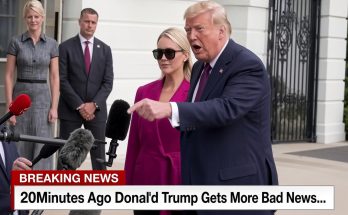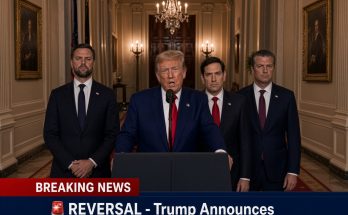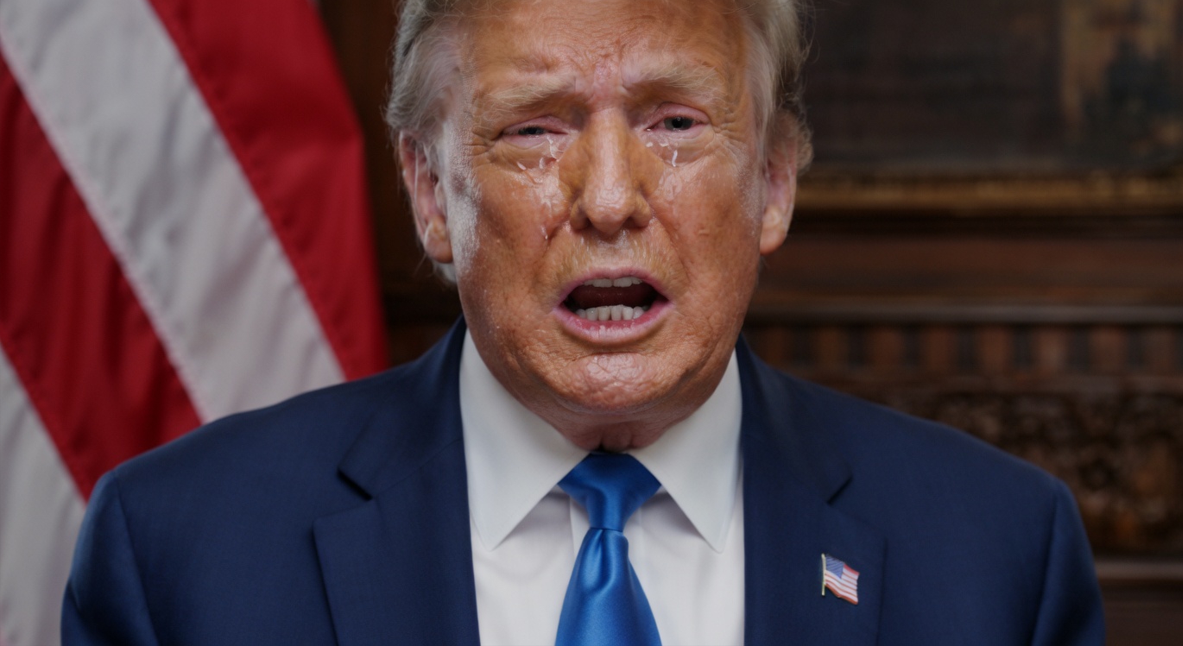
A major legal development unfolded Thursday as federal prosecutors announced a sweeping criminal case against former U.S. President Donald Trump, alleging he participated in a coordinated effort to interfere with key government processes. The indictment quickly reverberated across political circles, legal institutions, and media outlets nationwide, drawing intense attention to the allegations and the potential implications for the country’s political system
According to court filings, prosecutors claim the former president took part in multiple actions intended to disrupt official procedures tied to the nation’s democratic framework. The charges include conspiracy to defraud the United States, obstruction of an official proceeding, and interference with constitutional rights. Prosecutors argue that the alleged conduct targeted mechanisms designed to certify and safeguard lawful governance.
While the indictment outlines several major accusations, some supporting details remain sealed, leaving portions of the government’s evidence undisclosed for now. Legal analysts say those details may emerge during future court proceedings, which are expected to draw intense public and political scrutiny. The case arrives amid a deeply divided national climate, with supporters of Trump calling the prosecution politically motivated, while critics argue the allegations warrant full legal accountability. Experts note that because the case centers on constitutional processes, each stage—from filings and testimony to judicial rulings—could carry lasting implications for how presidential authority is interpreted in the future . As the legal process moves forward, the courts will ultimately determine the strength of the government’s case.