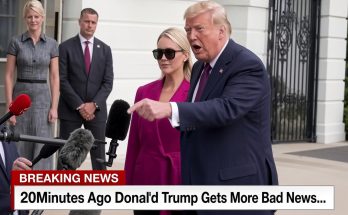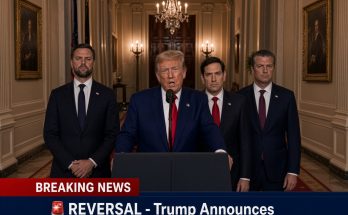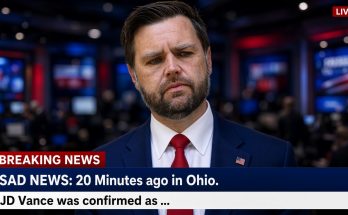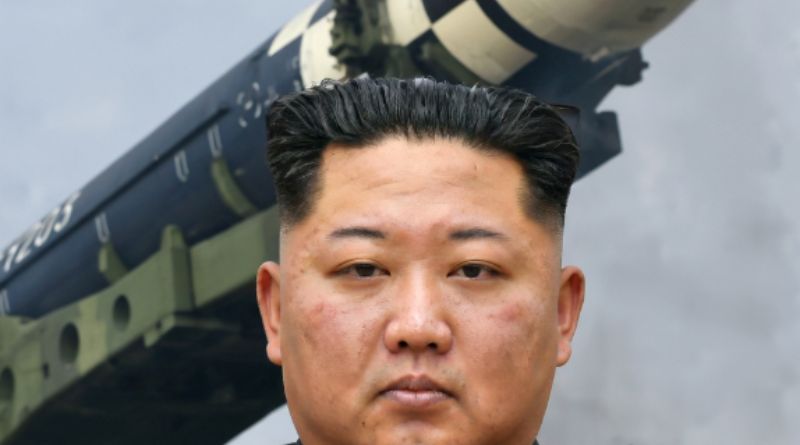
At first reading, the headline gives the impression that an urgent international confrontation has erupted between North Korea and Donald Trump. Its phrasing is crafted to trigger immediate concern, stopping at “threatens directly…” without explaining what was actually said or what event supposedly occurred. That unfinished wording is not accidental. It is designed to create tension before the reader even reaches the article itself. The missing detail becomes the headline’s main strategy. By withholding the key fact, it encourages readers to imagine the most dramatic possibility — military escalation, nuclear rhetoric, or a sudden diplomatic collapse. Headlines built this way rely on emotional reaction first and factual understanding later.
Once the full article is examined, however, the sense of crisis quickly weakens. There is no confirmed military action, no verified emergency announcement, and no official declaration of war described anywhere in the text. Instead of presenting documented developments, the story shifts into exaggerated and chaotic language, mixing political references with strange satire involving kidneys, gastronomy, and what it calls a “binational apocalypse.” The serious geopolitical framing at the start appears far stronger than the actual content that follows. This style reflects a common click-driven formula used across sensational media. It begins by placing two globally recognizable names at the center of the headline. It then adds emotionally charged language such as “breaking,” “apocalypse,” or “imminent” to increase urgency. Finally, it cuts the sentence before the most important information appears, allowing readers to mentally complete the story with worst-case assumptions.
When people see only the phrase “threatens…” attached to powerful political figures, many naturally think of missiles, conflict, or global instability, even when no such event is verified in the article itself. That reaction is exactly what gives the headline its power. The clearest conclusion is simple: no verified new military development is described, no confirmed declaration of war appears, and the article depends far more on emotional amplification than factual reporting. Before accepting dramatic claims involving world leaders, readers benefit from checking trusted international reporting sources, because dramatic wording often spreads faster than verified facts.