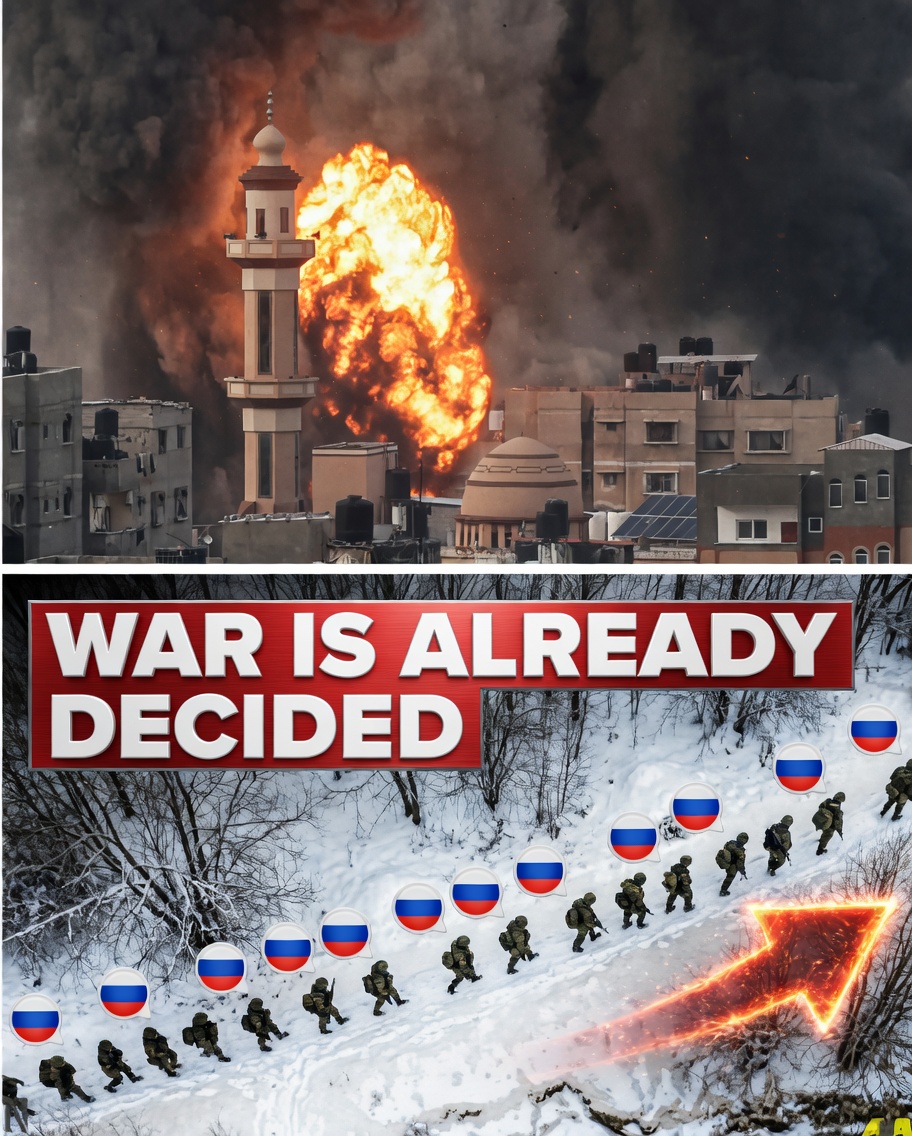
In the heart of Eastern Europe, the Russian military apparatus—once the cornerstone of Vladimir Putin’s geopolitical influence—is currently facing an unprecedented internal crisis. The formidable image of a disciplined and unstoppable force is being systematically dismantled as reports emerge of widespread organizational failure and logistical neglect. On the front lines, the reality for Russian soldiers has shifted from strategic conquest to a desperate struggle for survival. Soldiers are reportedly surrendering in significant numbers, driven to despair by starvation and a lack of essential equipment. The embattled city of Chasiv Yar has become a focal point for this turmoil, serving as a stark symbol of the Kremlin’s inability to support its own troops amidst a tightening Ukrainian offensive. The disconnect between Moscow’s official narrative and the experiences of soldiers on the ground has created a volatile atmosphere of betrayal. Sergei Shoigu, Russia’s Minister of Defense, continues to project an image of military strength, yet these proclamations are increasingly viewed as hollow by those facing the horrors of the battlefield. The lack of adequate supplies and meaningful leadership has led to a collapse in morale, with many soldiers feeling abandoned by their superiors. This internal rot is not merely a tactical setback; it represents a fundamental fracture in the facade of invincibility that has long sustained the Putin regime. As the truth of these military failures filters back to the Russian populace, the domestic stability of the Kremlin is increasingly called into question.
Amidst this Russian instability, Ukrainian President Volodymyr Zelenskyy has effectively mobilized his forces, seizing the strategic initiative. The Ukrainian military is operating with a renewed sense of purpose, capitalizing on the chaos within the enemy ranks to regain territory and pressure Russian positions. This shift in the tide of war has caught the attention of the international community, prompting NATO and other global powers to recalibrate their long-term strategies. The psychological toll on Russian soldiers, characterized by feelings of hopelessness and betrayal, is now seen as a primary catalyst that could lead to a broader collapse of the current power structure in Moscow.
The implications of this military decline extend far beyond the borders of Ukraine. The world is watching as a once-mighty empire faces the potential for a catastrophic internal failure. Historical precedents suggest that no regime is truly invincible when it loses the loyalty and trust of its armed forces. As the conflict continues to evolve, the whispers of dissent within the military ranks are growing louder, suggesting that the cracks in Putin’s empire may soon become irreparable. The ultimate outcome of this strife will likely redefine the geopolitical landscape for the 21st century, serving as a permanent reminder of the limits of autocratic power and the enduring strength of the truth.