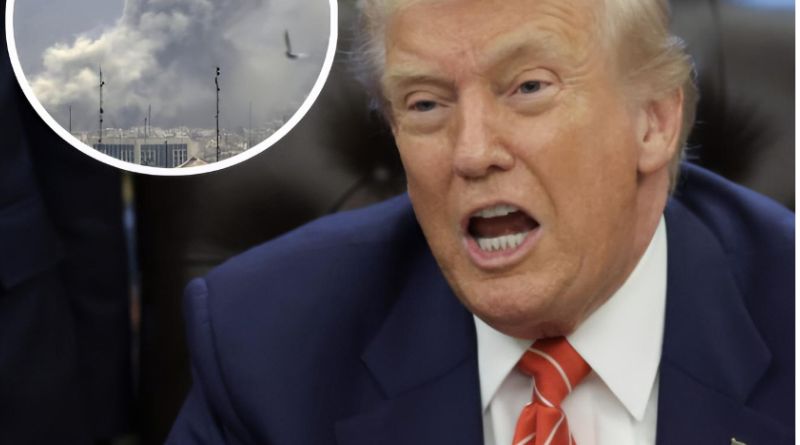
Donald Trump‘s proposal for Operation Epic Fury, a U.S.-led initiative targeting Iran, has met a wall of caution from traditional international partners. Despite the push for military cooperation, a broad coalition of nations is prioritizing de-escalation over direct intervention. In Europe, the reaction has been notably cold. United Kingdom Prime Minister Keir Starmer has explicitly ruled out military involvement, stressing the necessity of diplomacy to prevent a wider regional conflict.
This reluctance extends across the continent. Italy‘s Foreign Minister Antonio Tajani confirmed no plans for direct action, while Germany‘s leadership—including Chancellor Friedrich Merz and Defense Minister Boris Pistorius—has questioned the efficacy of the strategy. Other nations like the Netherlands, Lithuania, Estonia, and Greece have similarly declined to participate or expressed deep uncertainty regarding the mission’s core objectives.
Beyond Europe, Australia, South Korea, and Japan remain non-committal despite ongoing discussions with the United States. While China maintains a vague position to protect energy interests in the Strait of Hormuz, Ukraine‘s Volodymyr Zelenskyy has signaled a unique willingness to assist. This global landscape of hesitation highlights a significant diplomatic challenge for the Trump administration as it seeks to build a unified front against Tehran without triggering a broader escalation.