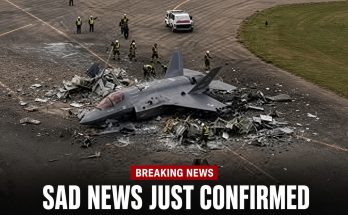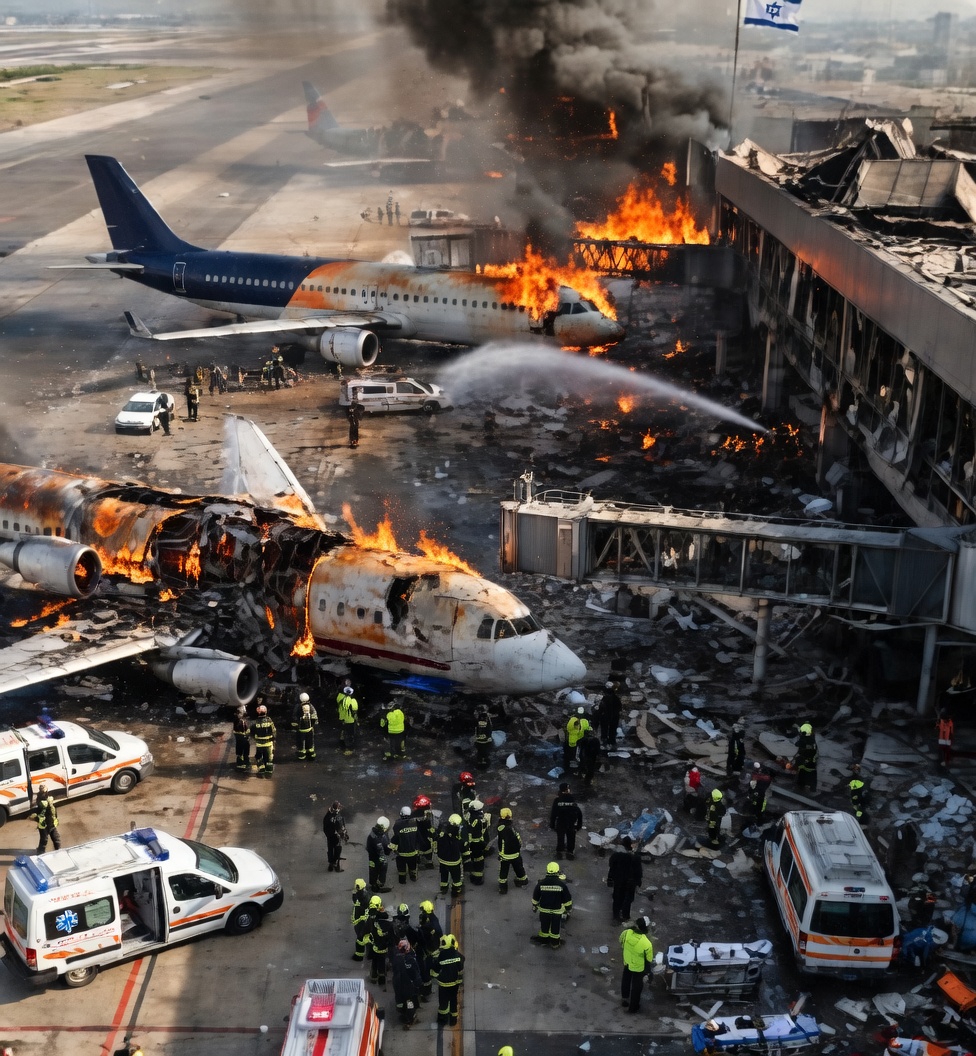
In a major escalation of tensions across the Middle East, Iran launched a new wave of ballistic missiles toward Tel Aviv, with reports indicating that some of the weapons carried cluster warheads. Iranian officials said the strike was carried out in retaliation for the killing of a senior Iranian security official, whom Tehran says was assassinated in an Israeli operation. The missile barrage lit up the night sky over central Israel, caused damage to infrastructure, and left at least two civilians dead, according to early reports. The use of cluster munitions has intensified international concern because of their destructive nature and long-term humanitarian impact. Unlike conventional warheads, cluster weapons release multiple smaller explosive devices over a broad area. Some detonate immediately, while others remain unexploded, creating ongoing risks for civilians, emergency responders, and anyone entering the affected area after the attack. Their deployment in or near populated zones has drawn renewed criticism from humanitarian observers. This latest strike comes amid a rapidly expanding conflict that has intensified since the opening weeks of 2026. Iran has launched repeated attacks not only against Israeli territory but also against U.S. military positions and allied facilities throughout the Gulf region. Targets have reportedly included installations in Kuwait, Bahrain, the United Arab Emirates, and Saudi Arabia. Iranian leaders have linked these operations to a series of assassinations of senior military and security figures, which Tehran has vowed to answer with force.
Israel and the United States have responded with strikes inside Iran aimed at military sites and infrastructure linked to Tehran’s strategic capabilities, including nuclear-related facilities. These operations reflect an increasingly dangerous cycle of retaliation that continues to widen the conflict beyond direct Iran-Israel confrontation. Israel’s air defense systems, including Iron Dome and Arrow-3, have intercepted many incoming missiles, but defense officials acknowledge that the growing number of launches and the use of advanced warhead designs have made full protection difficult. Several projectiles have reportedly penetrated defenses, contributing to casualties and structural damage. The broader global consequences are already becoming visible 🌍. Energy markets have reacted sharply as attacks on Gulf infrastructure raise concerns over possible disruptions to oil supplies. Diplomatic efforts have so far failed to slow the escalation, and both Iran and Israel continue to signal readiness for further military action. With tensions rising across multiple fronts, the region remains in a highly fragile and uncertain state ⚠️🔥.