A striking visual detail captured during a February 2025 White House meeting has ignited intense political discourse across the globe. During a diplomatic summit with Indian Prime Minister Narendra Modi, cameras filming near the Oval Office captured a framed New York Post cover featuring Donald Trump’s infamous booking photo prominently displayed in a hallway. Positioned among portraits of historic leaders like George Washington and Franklin D. Roosevelt, the image creates a jarring juxtaposition between traditional executive dignity and contemporary legal controversy, signaling a new era of political messaging within the executive mansion. The photograph itself originates from August 2023, when Trump surrendered at the Fulton County Jail in Georgia regarding charges of attempting to overturn the 2020 election results. While critics initially believed the first-ever mug shot of a U.S. president would be a catastrophic political liability, it instead became a cornerstone of his campaign identity. Supporters quickly repurposed the image for merchandise, digital graphics, and massive fundraising appeals, effectively transforming a criminal booking photo into a powerful symbol of defiance against the legal establishment.
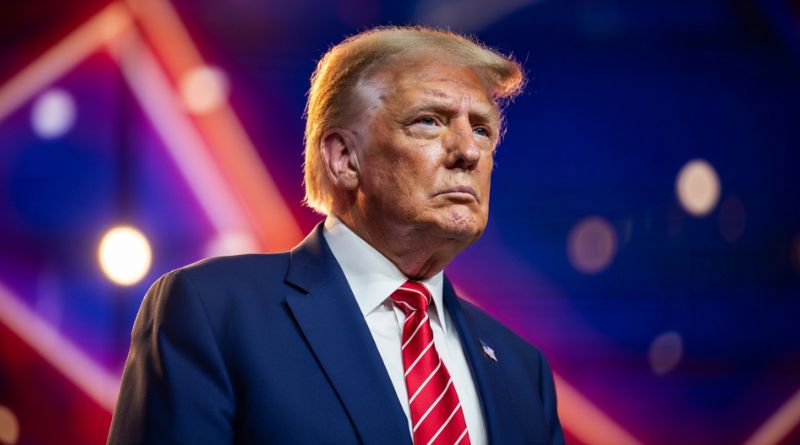
Trump’s embrace of this imagery extended to his second official White House portrait, which intentionally mirrors the stern expression, tightened gaze, and lowered chin of the original Georgia photograph. This visual consistency underscores a broader narrative of resilience following a series of high-profile legal battles throughout 2024. Despite being convicted on 34 felony counts in New York City involving falsified business records, Trump notably received an unconditional discharge, allowing him to return to the presidency without a jail sentence, probation, or financial penalties. The permanent inclusion of the mug shot within the hallowed halls of the White House represents a radical departure from long-standing presidential norms. To his supporters, the display serves as a badge of honor and a testament to surviving perceived political persecution. Conversely, for his detractors, the image remains a stark and controversial reminder of the intersection between the American presidency and the criminal justice system. Ultimately, the photograph’s placement reflects Donald Trump’s enduring ability to redefine the visual and cultural landscape of the United States government.