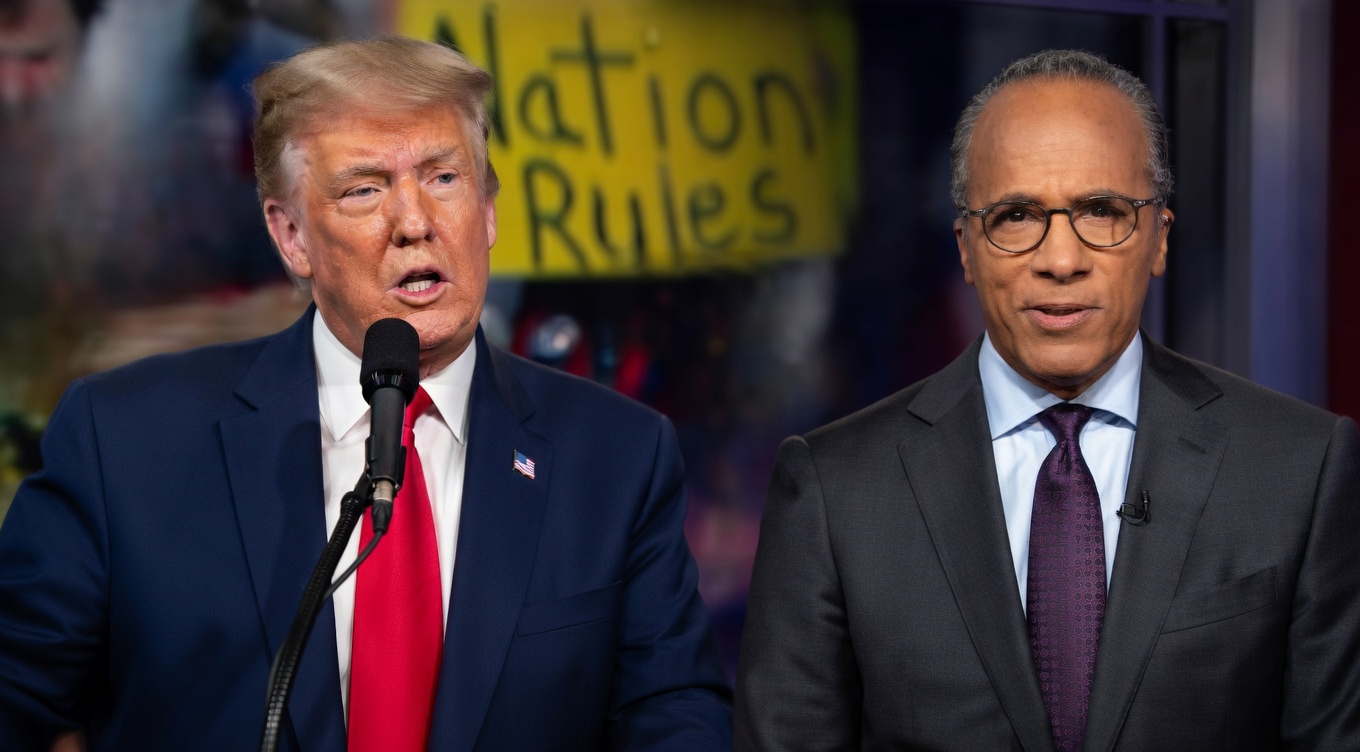
President Donald Trump’s move to federalize Washington, D.C., has turned a simmering unease into a high-stakes confrontation. On paper, the outcomes are striking. Reports show robberies and vehicle break-ins have fallen by more than 40 percent, while overall violent crime dropped into double digits within a single week. For some residents, it’s a relief they haven’t felt in years—finally able to walk home at night without scanning every shadow or fearing for their children amid headlines of urban violence.
Yet the gains come with steep consequences. Federal agents now operate alongside local police, patrolling neighborhoods in unmarked vehicles and transforming routine stops into immigration enforcement operations. ICE arrests have surged to more than ten times their usual rate, turning what began as a crime crackdown into a broader assertion of federal authority over the city.
These measures are reshaping Washington’s social fabric. Conversations in living rooms, newsroom debates, and exchanges on city streets increasingly revolve around the definition of “safety” and who bears the cost. For many, the question is no longer just about reducing crime but about preserving civil liberties, community trust, and the sense of belonging in their own neighborhoods.
The city now faces a complex reality: crime statistics show tangible improvement, yet the human toll and political friction raise questions that numbers alone cannot answer. As Washington grapples with these changes, residents are confronting a new understanding of security—one where the benefits are clear, but the price is deeply personal and unevenly shared.
In short, the federalization effort has delivered results—but it has also sparked a debate that will define the city’s future long after the numbers are tallied.