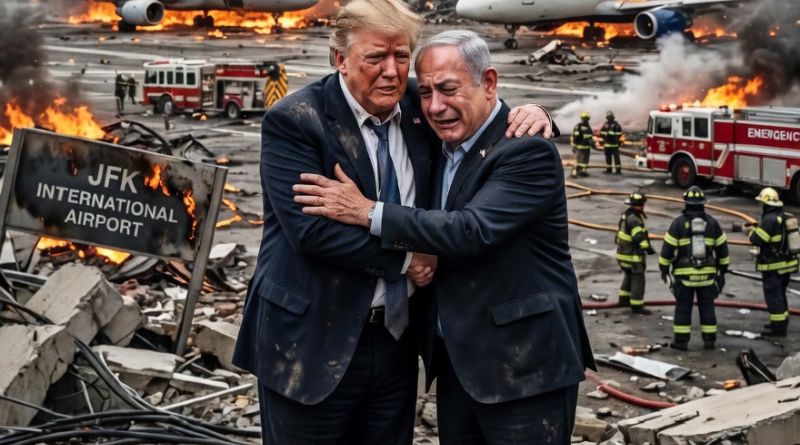
Tensions in the Middle East have sharply intensified after Iran launched ballistic missiles toward Tel Aviv in what officials described as a retaliatory strike linked to the killing of a senior Iranian security figure in an operation attributed to Israeli forces. According to reports, some of the missiles were equipped with cluster warheads, a type of weapon that releases numerous smaller explosive devices across a broad area and is widely regarded as especially dangerous because unexploded fragments can remain lethal long after impact.
The attack lit up the skies over central Israel as missile defense systems responded to incoming threats. Several explosions were reported, infrastructure sustained damage, and at least two civilians were confirmed dead. Emergency crews were deployed quickly to affected areas as authorities assessed the scale of destruction and searched for additional casualties. While Israeli interception systems succeeded in stopping many of the missiles, officials acknowledged that the large number launched and the use of complex warhead technology made full interception difficult.
This latest strike reflects a broader military confrontation that has escalated significantly since early 2026. Iran has already carried out multiple attacks aimed at Israeli territory as well as U.S. military positions and allied sites across the Gulf region, including locations in Kuwait, Bahrain, the United Arab Emirates, and Saudi Arabia. Tehran has framed these operations as direct responses to a series of assassinations involving senior Iranian military and intelligence figures, warning repeatedly that further retaliation would follow.
In response, Israel and the United States have expanded their own military operations inside Iran, targeting missile facilities, defense installations, and sites linked to Iran’s nuclear program. Although both countries remain aligned in opposing Iranian military expansion, their strategic priorities appear increasingly distinct, particularly regarding the scope and long-term goals of current operations.
Israel’s defense network, including advanced systems such as Iron Dome and Arrow-3, has remained under intense pressure during repeated waves of missile launches. Despite numerous successful interceptions, some projectiles have penetrated defenses, increasing concern among civilians already living under repeated alerts and shelter warnings.
Beyond the immediate battlefield, the consequences are spreading globally. Energy markets have reacted sharply as attacks on Gulf infrastructure threaten regional supply routes, pushing prices upward and raising fears of wider economic disruption. International calls for restraint continue, but diplomatic efforts have so far failed to slow the pace of military action. With both Iran and Israel signaling readiness for continued confrontation, the region remains on edge amid growing uncertainty over what may come next. ⚠️🌍🕊️