Tensions across the Middle East escalated sharply after Iran reportedly launched retaliatory strikes against oil and natural gas facilities in several Gulf nations following an Israeli attack on one of Tehran’s most critical energy sites.
According to overnight reports, Iranian strikes targeted infrastructure linked to Saudi Arabia, the United Arab Emirates, and Qatar after Israel carried out a major assault on Iran’s South Pars gas field on Wednesday. South Pars, considered the world’s largest natural gas field, is a cornerstone of Iran’s energy production and a key supplier to regional and international markets.
The Israeli strike immediately raised fears of a wider regional energy crisis, as South Pars and nearby shipping routes play a central role in global fuel supplies. Analysts quickly warned that any disruption involving the Gulf’s major energy facilities or the Strait of Hormuz could send shockwaves through international markets, affecting fuel prices, shipping costs, and broader consumer prices worldwide.
Those concerns were reflected in early market reactions Thursday. Brent crude oil surged to as high as $119 a barrel before easing slightly later in the day, while wholesale natural gas prices across Europe jumped by as much as 25 percent. Although prices later pulled back, they remained well above levels seen before the conflict intensified.
U.S. crude oil also spiked briefly above $100 a barrel before settling near $96. Since fighting with Iran intensified on February 28, oil prices have climbed by roughly 45 percent, signaling growing concern among investors about long-term supply instability.
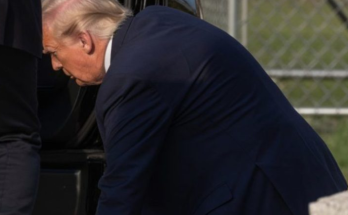
Amid rising alarm from Gulf allies and European governments, President Donald Trump said Israel would avoid additional strikes on South Pars unless Iran launched further attacks against Qatar, a key U.S. partner in the region. Writing on Truth Social, Trump warned that if Qatar were targeted again, the United States would respond forcefully and could destroy the entire South Pars gas complex.
Qatar has reportedly expressed anger not only toward Iran but also toward both Washington and Israel. Officials close to Qatar’s leadership say the country is frustrated that a conflict framed as protecting international energy security is now directly threatening Gulf infrastructure.
The Trump administration has begun taking emergency measures aimed at calming energy markets. Officials have already eased sanctions on Russian oil exports and relaxed certain domestic shipping restrictions in an effort to improve supply.
Treasury Secretary Scott Bessent said Thursday that the administration is also reviewing options involving Iranian oil cargo currently held at sea. Speaking on Fox Business Network, Bessent said those barrels could potentially be released to increase short-term supply and limit further price spikes.
President Trump later told reporters at the White House that his administration would take whatever action is necessary to stabilize markets.
Energy analysts caution, however, that even if military tensions ease quickly, long-term damage has already been done. Industry expert Andy Lipow warned that attacks on regional energy infrastructure could take months or even years to fully repair, meaning oil prices may remain elevated even after the conflict subsides.
He also noted that global markets are now likely to permanently factor in the risk of future disruptions in the Strait of Hormuz, keeping long-term energy prices under pressure. ⚠️🌍⛽