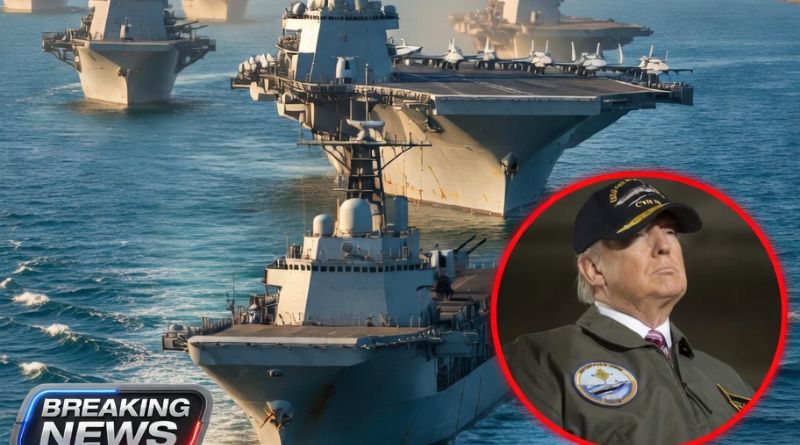
The connection between military power and energy security has long influenced how nations plan, compete, and protect their interests. Energy fuels modern economies, powers industries, and sustains daily life, while military capability helps secure the systems that deliver that energy. Because of this, strong military presence and reliable access to energy often operate together at the center of global strategy.
Energy security means ensuring a steady and affordable supply of resources such as oil, natural gas, electricity, and increasingly renewable energy. For advanced economies, any major interruption in supply can quickly trigger inflation, industrial slowdowns, and political pressure. For developing nations, stable energy access often determines how quickly infrastructure, transportation, and manufacturing can expand.
For decades, oil has been the most strategically important energy source. It powers transportation networks, aviation, shipping, and military operations themselves. Armored vehicles, aircraft, naval fleets, and supply chains all depend heavily on fuel, making access to petroleum not just an economic concern but a defense priority as well.
Military forces are often used to protect this access in several ways. Naval fleets patrol shipping routes where large portions of global oil and gas move through narrow chokepoints such as major straits and canals. These routes are vulnerable to piracy, conflict, and political tension, so maintaining open passage is considered essential to global economic stability.
A visible military presence also acts as deterrence. When armed forces are stationed near energy-rich regions, they can discourage attacks on infrastructure, reassure allies, and influence regional political decisions. In some cases, military involvement goes further, supporting stability operations in fragile states where pipelines, refineries, or export terminals face constant security threats.
History offers many examples of how deeply energy and military power are linked. During both World Wars, control of oil supplies became a decisive factor in military success. Nations with secure fuel access gained major strategic advantages. After the wars, the importance of oil only increased as industrial growth accelerated and transportation systems expanded.
During the Cold War, superpowers competed for influence in resource-rich regions, especially where oil and gas reserves were concentrated. Alliances, military aid, and regional deployments were often shaped by concerns over energy access and political control.
Maritime security remains one of the clearest examples of this relationship today. A large share of global energy trade still moves by sea, including crude oil and liquefied natural gas. Naval patrols help protect commercial vessels, monitor threats, and respond quickly to disruptions. International anti-piracy missions have shown how military cooperation directly supports energy stability.
Energy-rich regions naturally attract military attention. The Middle East has remained central to global strategy because of its vast reserves and export capacity. Military bases, defense agreements, and regional patrols have often been justified as necessary to protect infrastructure and maintain market stability.
Beyond oil fields, energy infrastructure itself has become a strategic target. Pipelines, refineries, power plants, and electrical grids are vulnerable to sabotage, missile attacks, and cyber operations. Modern militaries increasingly treat these facilities as critical national assets requiring direct protection.
Cybersecurity has added a new layer to this challenge. Attacks on power grids or pipeline systems can disrupt entire economies without a single conventional strike. Because of this, military institutions are now involved not only in physical defense but also in digital protection of energy systems.
At the same time, the global shift toward renewable energy is changing strategic calculations. Solar, wind, and battery technologies may reduce dependence on some fossil fuel routes, but they create new competition around lithium, cobalt, and rare earth minerals needed for advanced energy systems.
This means military and geopolitical focus may gradually shift from oil chokepoints to mineral supply chains and technology infrastructure.
The relationship between military strength and energy security is unlikely to disappear. Instead, it is evolving. Nations still need secure energy to maintain economic resilience, and they continue to rely on military capabilities to defend that access.
As global energy systems change, future strategy will increasingly depend on how countries balance traditional security concerns with new technological and environmental realities.